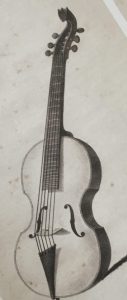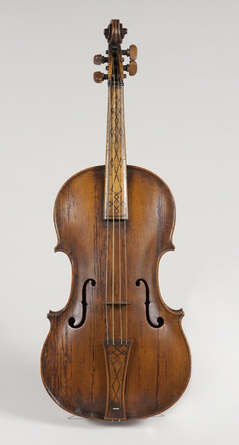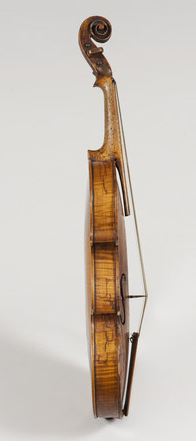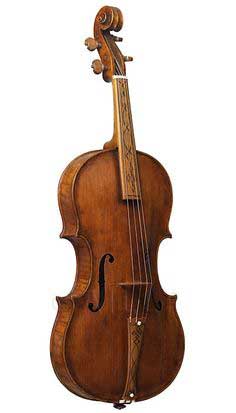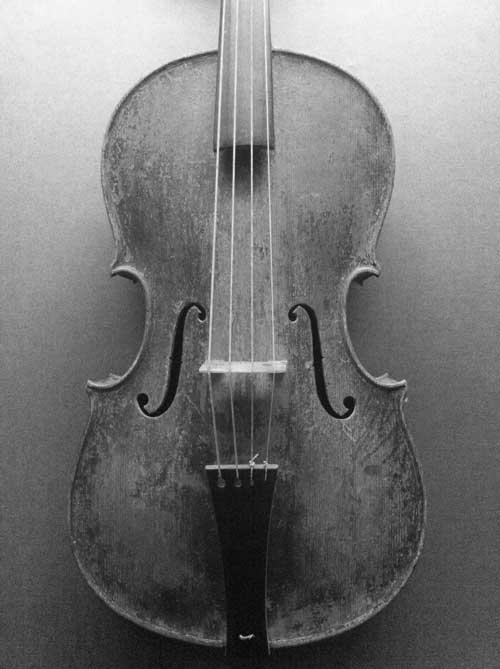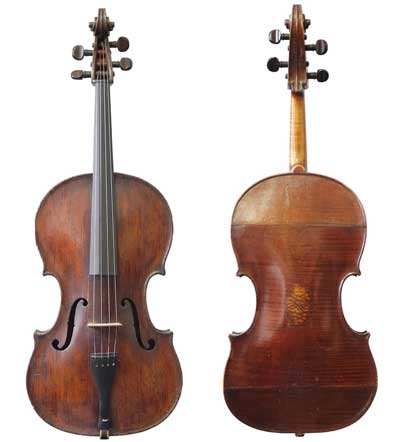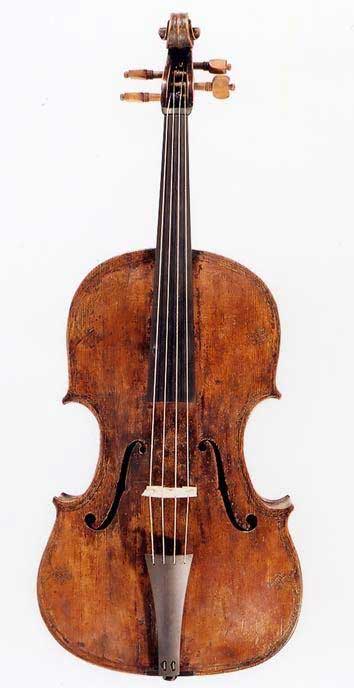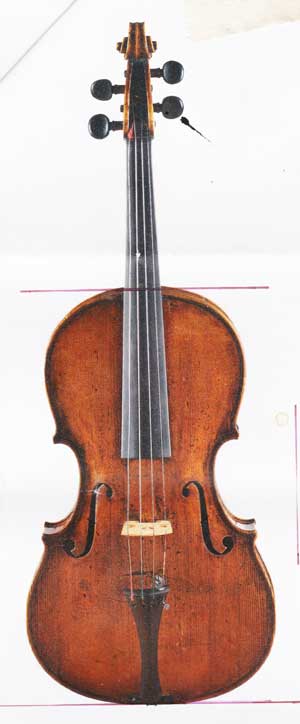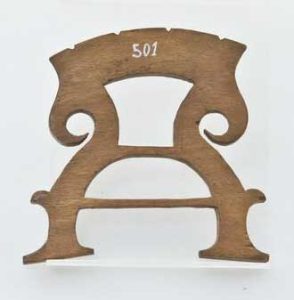
Hyperreality and Fantasmal Instruments. The Lira da Braccio

The Lira da Braccio as Fantasy Object 

Hyperreality is seen as a condition in which, because of the compression of perceptions of reality in culture and media, what is generally regarded as real and what is understood as fiction are seamlessly blended together in experiences so that there is no longer any clear distinction between where one ends and the other begins – Tiffin, John; Terashima, Nobuyoshi (2005). “Paradigm for the third millennium”. Hyperreality.
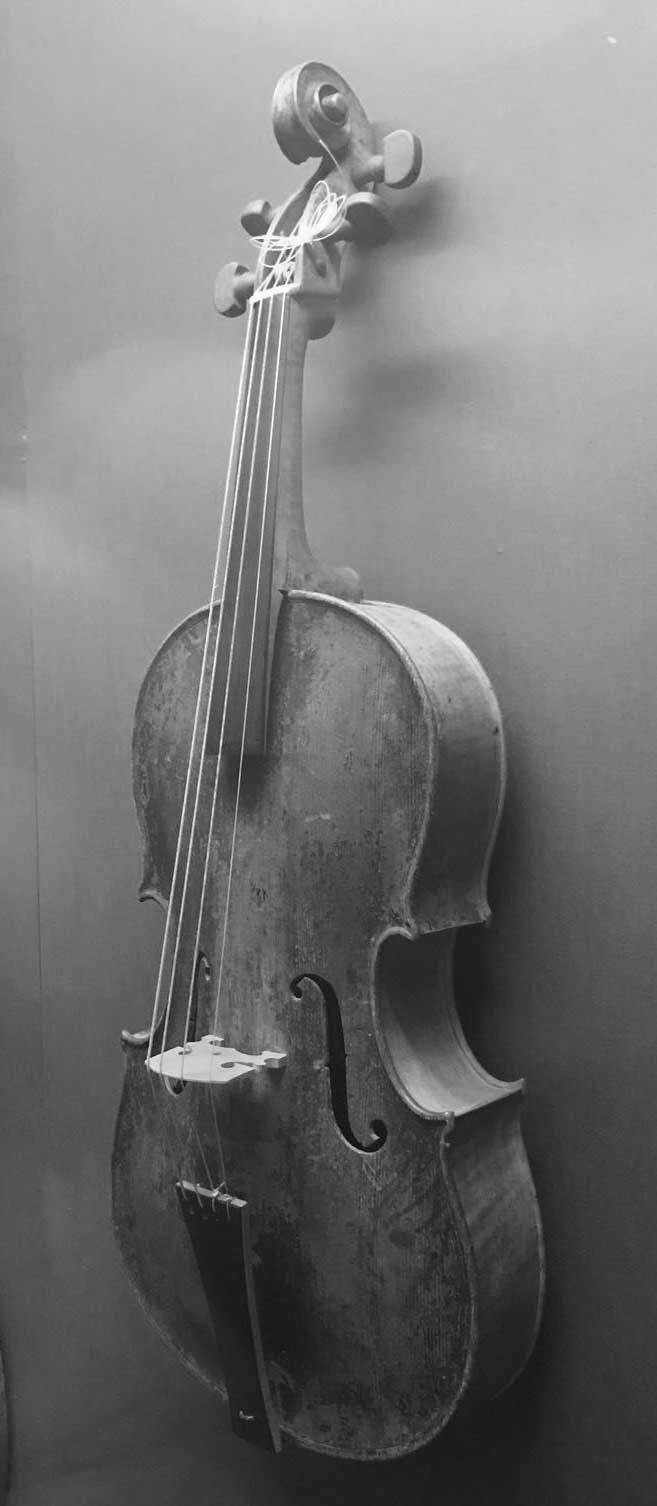
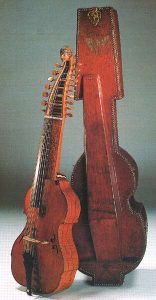
lyra da braccio

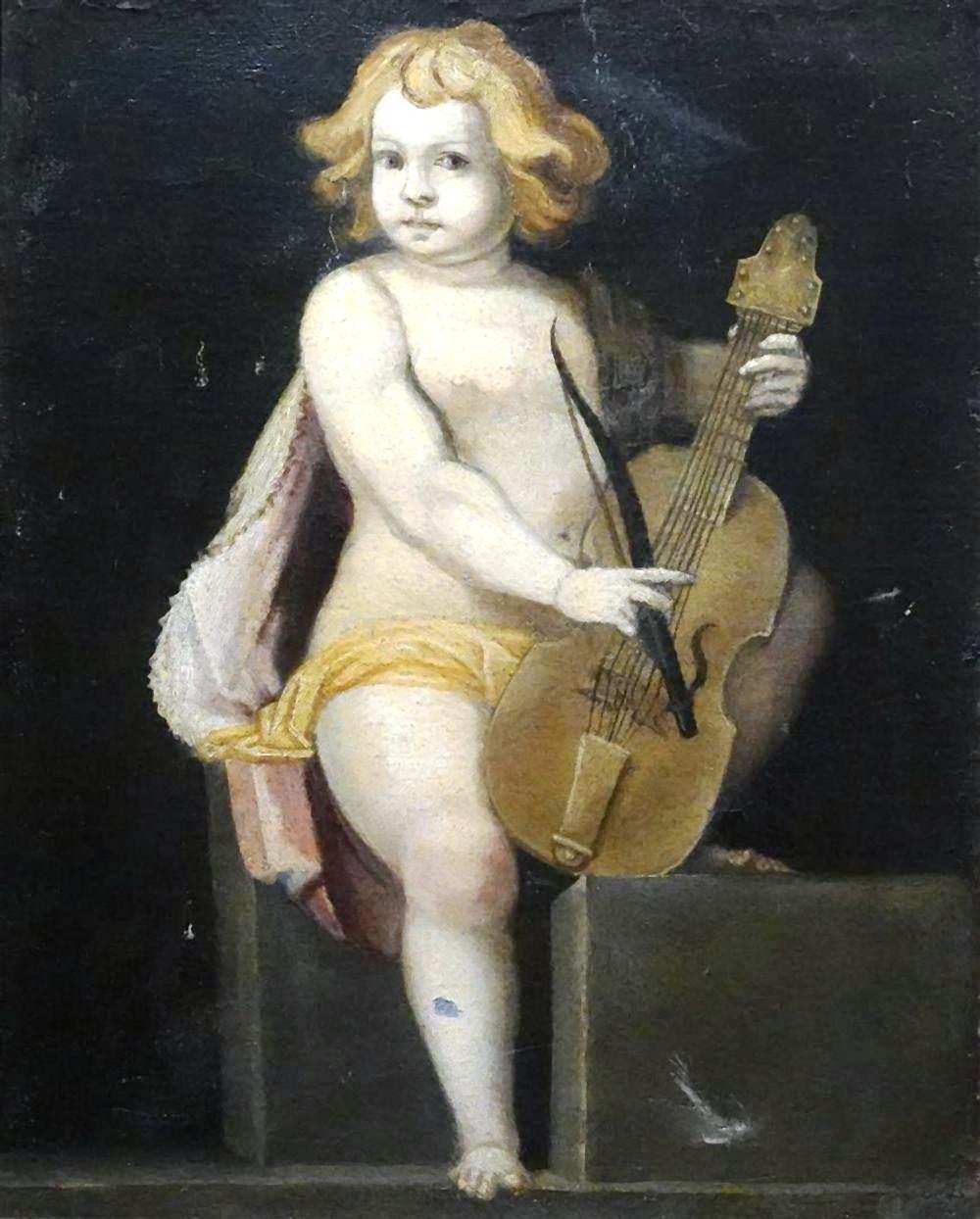
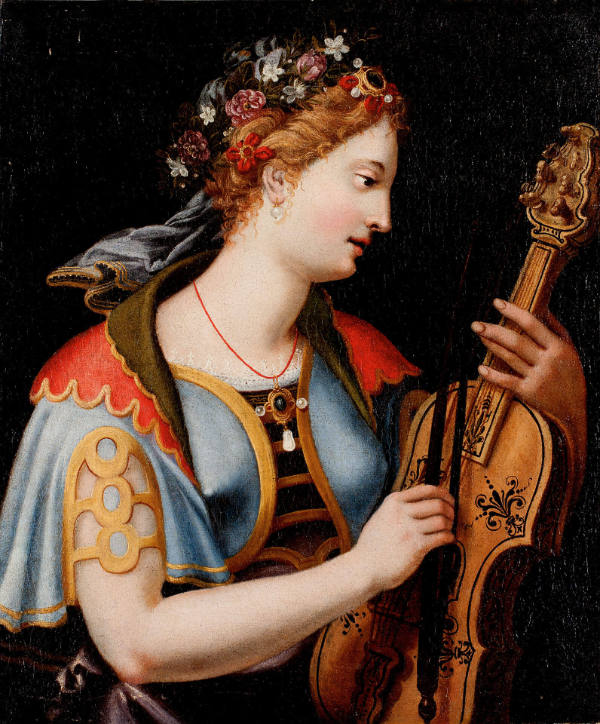
Iconography can provide rich resources into musical instrument contruction when viewed from the proper mind-lens. The majority of these examples however fail to exhibit the level of detail needed to reasonably ascertain their exact contruction, with many images often representing musical instruments which stem from either seemingly near fantasy ideas, phantasmal corpus shapes, right down to facets and traits which are obviously within the realm of the impossible. 

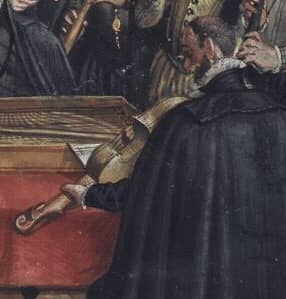
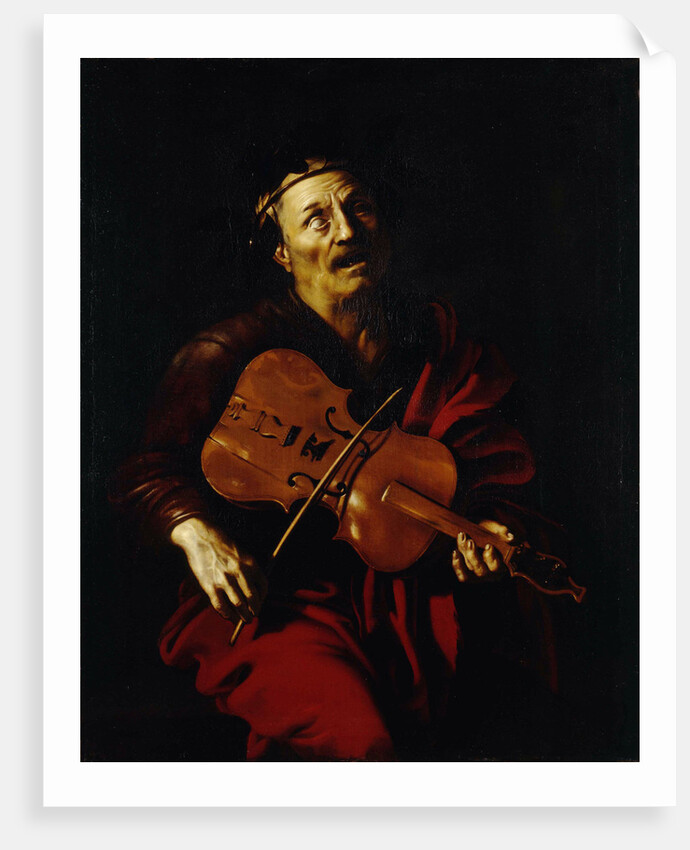
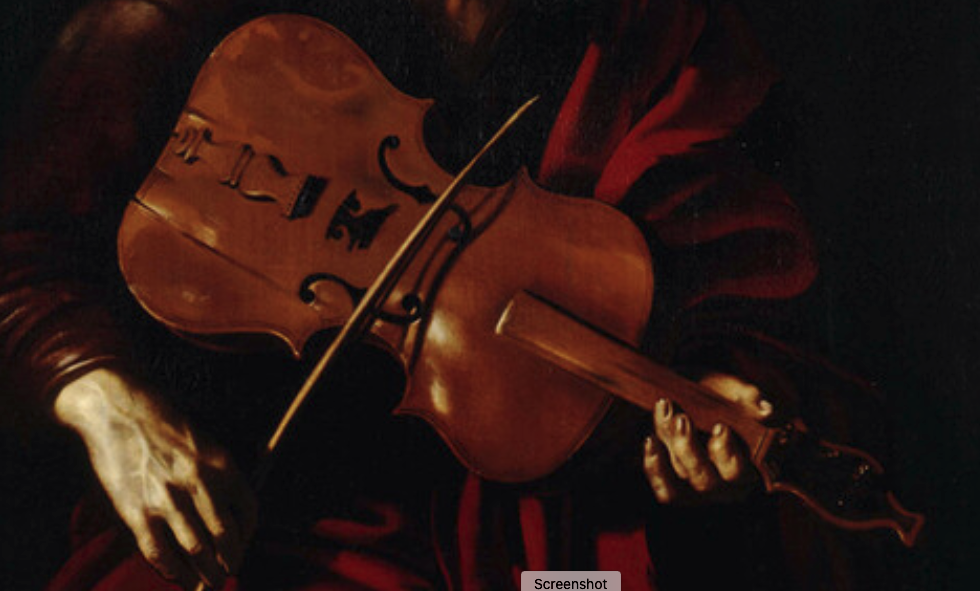
Some works, however, display a breathtaking clarity of detail that leaves little room for doubt, suggesting with high probability that the instruments depicted not only existed, but were likely present as studio props for the artist. In the example above by Nicolas Régnier (1590–1667), Blind Homer Playing the Lyra da Braccio (c. 1622–1623), one can observe extremely fine details that would be implausible as purely imaginary embellishments. The lira da braccio depicted here appears almost exaggeratedly antique. One can clearly discern seven string holes in the tailpiece, now repurposed for use as a tenor viola—a more common configuration at the time.
lyra da braccio detail close

Specific details such as wear on the fingerboard and abrasion in the varnish where the instrument would have been supported under the chin are clearly visible. One may also note the bulbous arching, finely rendered through the painter’s use of shadow and highlight, as well as a crack extending from the lower waist to the bottom soundhole—a location still commonly prone to cracking today. These details could scarcely be imaginary; and if they were, one must ask what purpose they would serve. While the allegorical context of Homer’s misery may be considered, such varied and technical details appear far more clinical, as though Régnier were simply painting from life.

Another compelling example of this phenomenon of exactitude is found in Willem van Mieris (1662–1747), Serving Maid and Hurdy-Gurdy Player. When one zooms in and focuses on the instrument, the degree of refinement is so extreme that it nearly recalls modern photography.
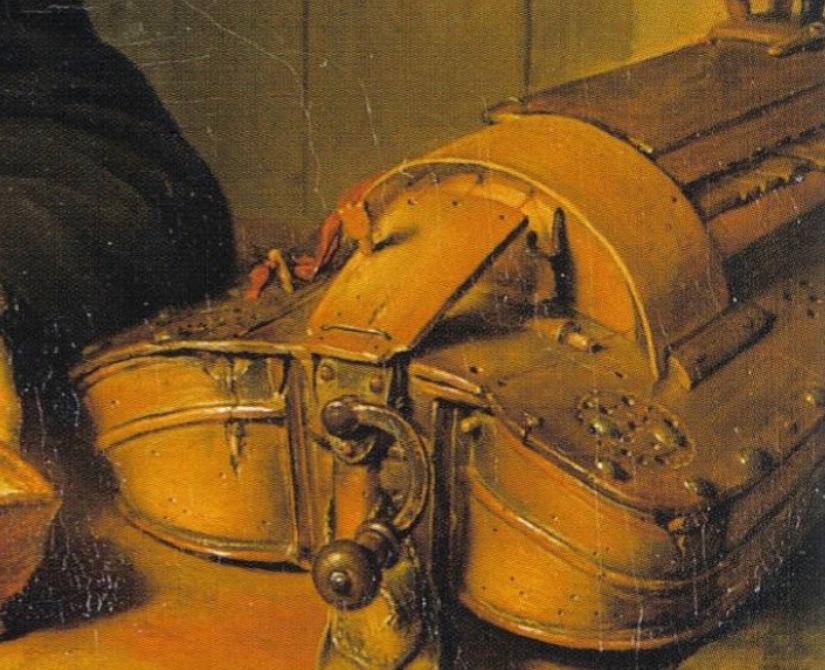
Note the brilliantly executed wormholes in the lower sections and the chipped tailpiece at the lower corner. Visual portrayals of instruments rendered with this level of detail are priceless to the organologist.

In contrast, other examples blur the boundary between reality and fantasy—either through implausible construction or impossible playing positions. Two important questions to ask when attempting to divine truth from iconography are: Does this image represent an actual historical moment? and Was an actual instrument present at the time of painting? One may argue either in the affirmative or the negative. Often, however, the painter’s original context and intent remain elusive, and the modern eye—inclined toward categorization and compartmentalization—can fall short.
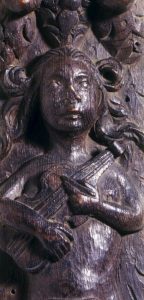

In cases where the intent is undoubtedly allegorical, such as the early pilaster carving representing Thalia holding a viola da braccio, the limitations of the medium and the utilitarian economy of its purpose become evident. Such carvings may have adorned beds, cupboards, chimney-pieces, or overmantels, where symbolic clarity outweighed structural accuracy.

Iconographic examples are so numerous that it would be both impossible and superfluous to include them all here. Levels of accuracy oscillate wildly—from the absurdly implausible to depictions of such extreme fidelity that they leave little doubt as to the instrument’s real existence.
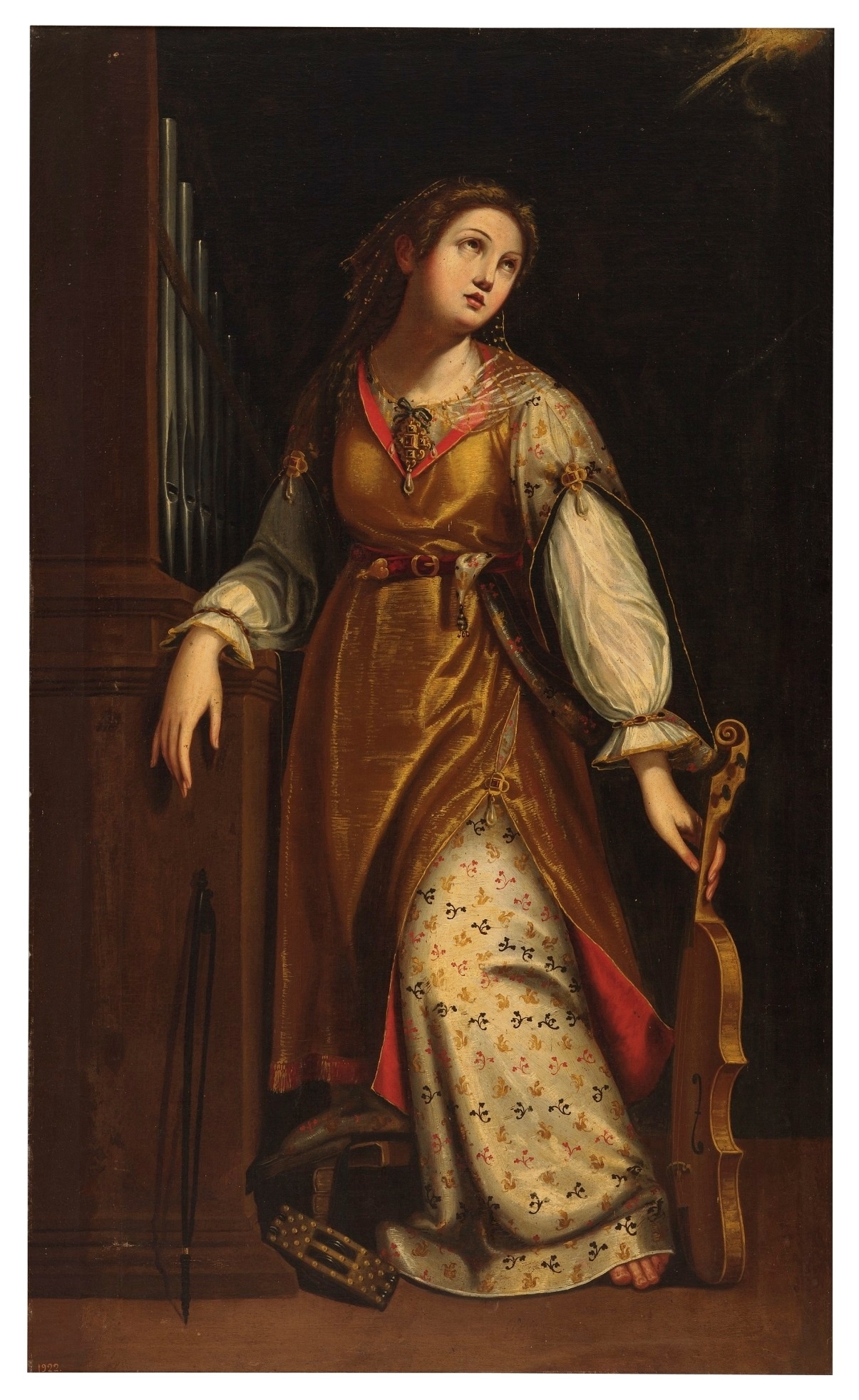
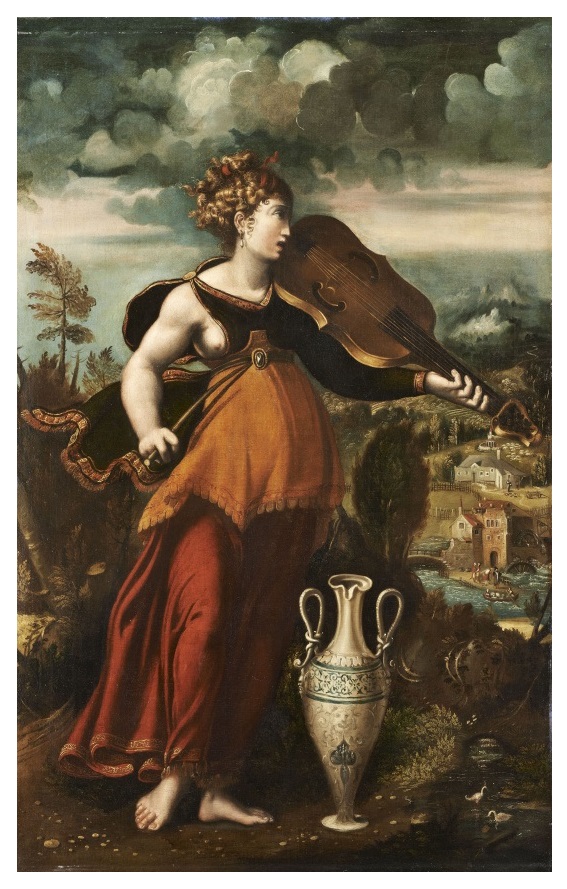
lyra da braccio thin rib depthlyra da braccio large bodylyra da braccio violin form

Many examples omit the depiction of drone strings altogether. In the example above, however, we see the technical detail of strings being fed into a hidden chamber and attached to internal pegs. This feature lends further credibility to the idea that the instrument was physically present during the painting process, rather than existing solely as a figment of imagination.
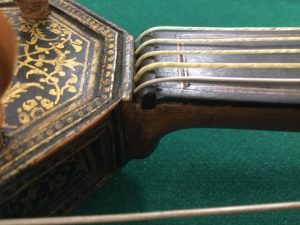
Whimsical Renaissance and the Fantastical in Lutherie

Leonardo da Vinci’s Mythical Horse-Skull Lira da Braccio

My first exposure to Giorgio Vasari’s engaging Lives of the Artists (Le vite de’ più eccellenti pittori, scultori e architettori, 1568) occurred when I was a young teenager. Reading these volumes alongside my pocket-sized Loeb translations—bound in faded red cloth—I felt transported into history, able to explore the lives of my heroes with little detail spared. The work is both illuminating and entertaining, though, as with Herodotus, one must rely on modern interpretation and historical criticism: Vasari was notably prone to reproducing tantalizing fragments of gossip and legend.

Nevertheless, his coining of the term rinascita (“rebirth”) comes surprisingly late, considering the sweeping creative changes already underway. It is, of course, well known that Leonardo da Vinci devised numerous fantastical instruments, many of which have been reconstructed by modern scholars with varying degrees of success. One particular story recounted by Vasari is too fascinating—and too relevant—to pass over.


According to Vasari, Leonardo brought with him to Milan an unusual lira da braccio of his own making—“in great part of silver, in the form of a horse’s skull”—designed specifically to produce a resonance louder and more sonorous than that of ordinary instruments. This bizarre and novel creation captivated the ducal court and allowed Leonardo’s performance to surpass that of the other assembled musicians.

Whether this tale is one of Vasari’s colorful embellishments remains debatable. What is clear, however, is that the broader cultural impetus of the period was moving toward a neo-humanism inspired by classical Greek literature. This movement influenced all branches of creative endeavor. Although these intellectual currents were often sober and grounded in devout reflection, the whimsical spirit of the human mind could never be fully suppressed.

In iconography alone, hundreds of fanciful representations—from the whimsical to the unabashedly vulgar—may be found with even the briefest perusal.
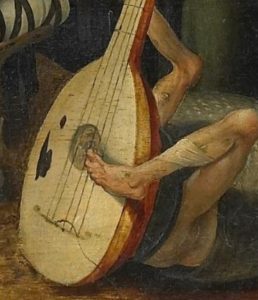
In literature, the grotesque realism of François Rabelais uniquely merged the vulgar and the elegant in the expression of humanist ideals. He opens the prologue of Gargantua and Pantagruel with a striking dedication:
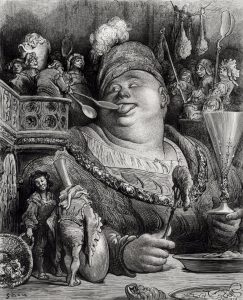
“Most illustrious drinkers, and you the most precious pox-ridden—for to you and you alone are my writings dedicated …”

Rabelais’ work reflects the spirit of carnival—an antithesis to devout perfection—at a time when French writers were beginning to question the soundness of papal authority.


The Lira da Braccio as Anthropomorphic Fantasy

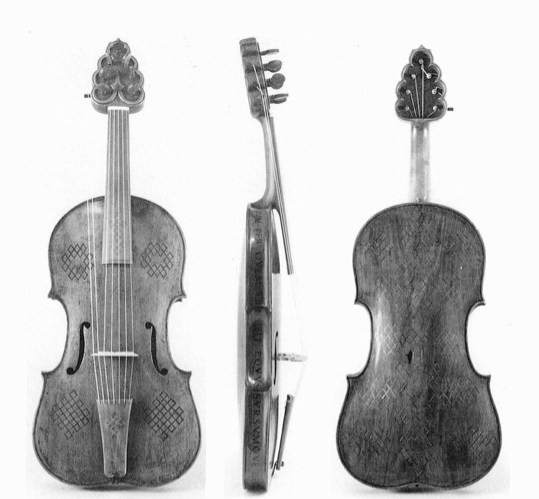
The lira da braccio by Giovanni d’Andrea (1511) provides a surviving example of this playful spirit, both in its composition and its ornamentation. Wherever one’s gaze falls, the wonders of a curiosity cabinet seem to lure the eye and imagination ever deeper, as though the instrument itself were a living creature. The many phantasmal and anthropomorphic features, along with the carved back, reinforce the idea that this is an instrument intended for musicians and poets alike.

Although later research may cast doubt on the authenticity of all its components, the instrument’s existence reaffirms a playful spirit in lutherie that is largely absent from modern lutherie.
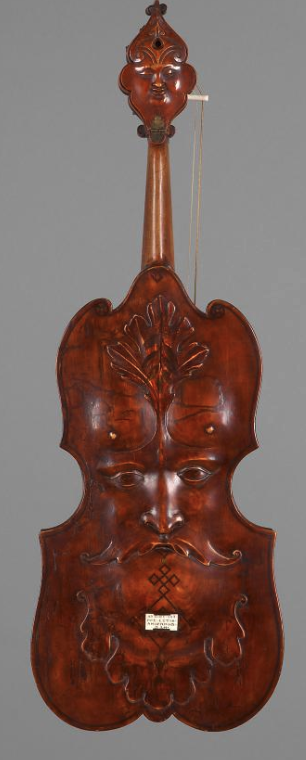
lyra da braccio Giovanni d’Andrea (1511)lyra da braccio Giovanni d’Andrea (1511) back view

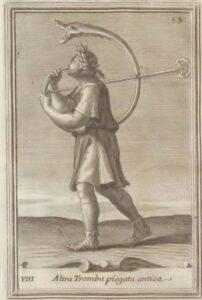
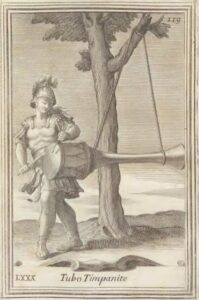
Distortions of size and perspective, instruments held by demons, angels, or animals, and improbable playing postures appear repeatedly throughout history. Even in the pursuit of truth—when one seeks the most clinically accurate depiction—one may still find oneself within a realm of fantasy. Bonanni, Kircher, and the conception of the organologist as  mathematician connected to the cosmos all reflect this tension.
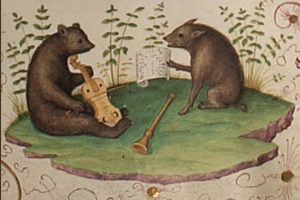
Bonanni, Kirchner, The Organologist as Mathematician connected to the Cosmos.

Leonardo’s horse-head lyra was but one invention among a well-documented multitude. The fantastical conception of sound-producing machines continued forward through time, pressing the limits of human imagination. In 1650, the polymath Jesuit scholar Athanasius Kircher published his vast and esoteric Musurgia Universalis, sive Ars Magna Consoni et Dissoni (“The Universal Musical Art, or the Great Art of Consonance and Dissonance”). Printed in Rome in two lavishly illustrated volumes, the work preserves invaluable visual and technical evidence of early Baroque instruments that might otherwise have been lost.

Musical Instruments in Musurgia Universalis

Kircher’s discussions of instruments appear throughout the text—most vividly in the engraved plates that depict stringed, wind, and keyboard instruments. These illustrations, alongside his descriptions, serve as early attempts at a systematic organology, predating later standard works in the field. The plates include representations of harpsichords, organs, and a variety of stringed and wind instruments, all rendered with attention to structural detail and tunings (which often err!). though Kircher has borrowed or copied exactly from Mersenne, his approach and mindset is completly unique.

The ten sections are divided into an astonishing array of subjects, in book one a diverse treatise on the sounds made by animals, birds and insects, the philogical orgin of sound, anceint Greek and Hebrew music,  and the magic of consonance and dissonance and their effects on the mind and body. 
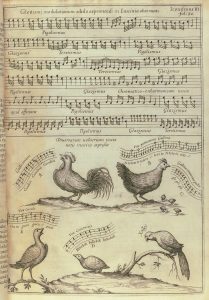
The roughly two dozen engraved plates in Musurgia Universalis show not only instruments but often constructional details and proportions, linking them to Kircher’s wider theories of harmony and acoustics.

In contrast to contemporary paintings, where a musical instrument was merely a prop, or serevd an allegorical significance,  Kircher’s use of visual imagery was not merely decorative; diagrams illustrate his belief in the deep connection between mathematics, physical acoustics, and musical practice. Instruments were visualized not only as objects but as embodiments of cosmic harmony—appearing alongside symbolic woodcuts and diagrams that link music to cosmology. Like Mersenne, Kircher’s impetus sought to tie the physical world and a-priori perception as proof of divinity, with the diisonante facets of sound connected to the universal presense of evil in the world. 

n one section, Kircher quite literally binds instrument construction to divine creation, using a six-register organ as a metaphor for the six days of creation—uniting musical harmony and theology into a single concept.
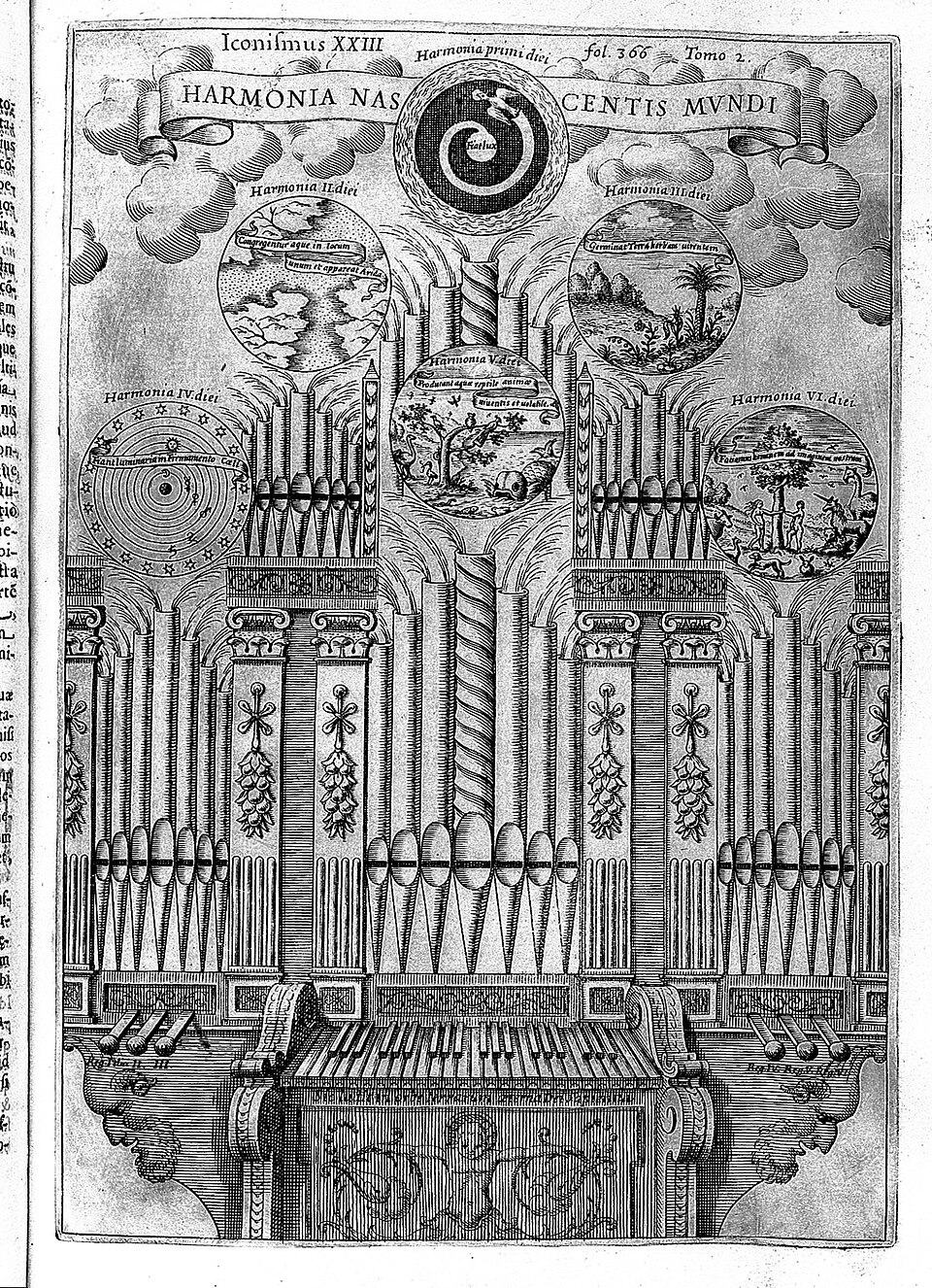
Kircher organ of creation

Kircher’s text on the creation of viols and lutherie is particularly interesting as it gives a very clear portrait of the wide diversity and chronic invension, innovation, and creativity amoung his contemporaies, depicting  a kind of wild west of lutherie which was rampant across the globe. 

By viol is understood that instrument that consists
of belly and neck or fingerboard, and which is sounded with a
plectrum or bow made of horsehair, the left hand grasping the
neck, and its fingers pressing the strings directly. But
there is such a variety of these instruments, that whoever
lists the customs of the various nations, will also list a
corresponding variety of viols. For in this so learned age,
almost every craftsman invents viols of new designs. Some
add strings to strings; some design them in the fashion of
lyres, and there is no lack of those, such as the English,
who construct them partly with metal strings and partly gut
for greater variety. Whoever desires to know exactly the
uses of all of them, should read here Pere Mersenne, who
treats of them with variety and erudition in a whole work.

Kircher goes on to reference Giovanni Battista Doni—a contemporary of Galileo and scholar of ancient music—who devised a curious double lyre inspired by the ancient Greek barbiton. He also mentions the Lyra Barberina, Doni’s Panharmonic Viol, Cerone’s Lyra Argolica, and the extraordinary diversity of tunings and constructions found across Europe.
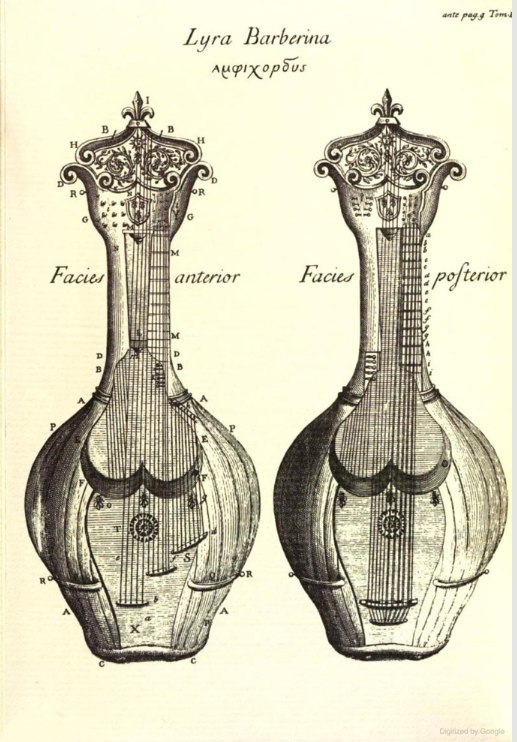
Lyra Barberina

Bonanni’s Organology in the Context of Kircher’s Vision

Kircher’s influence on Bonanni extends beyond direct mentorship to a broader cultural aesthetic. In works like Musurgia Universalis, Kircher treated music as a universal art, connecting the mathematical properties of sound with cosmic harmony and spiritual meaning.

Bonanni’s organological project inherits this integrated worldview: instruments are not merely cataloged as curiosities but are situated within realms of ritual, ceremony, war, religion, and daily life. The very title Gabinetto Armonico evokes the “cabinet” — a curated space where objects both educate and astonish, where the sensory encounter is itself a form of knowledge.

While later commentators have noted inaccuracies in some of Bonanni’s representations and attributions, Gabinetto Armonico remains indispensable for the history of musical instruments. It stands as one of the earliest comprehensive illustrated guides to the organological world, influencing later surveys and histories.
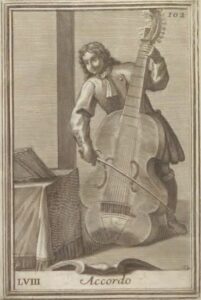
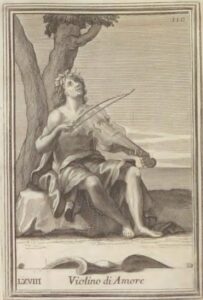
 

While the lira da braccio itself had long since disappeared as a common instrument by the 17th century, its structural and conceptual legacy lived on. The visual lineage from Renaissance bowed instruments to the modern violin family is reflected in shape, playing posture, and tuning approaches. Over the 17th–19th centuries, the violin family matured into the iconic instruments we know today — shaped by musical tastes, performance demands, and the evolving art of lutherie. I add these word simply wishing to move forward. 

The story is not one of a simple, singular transformation of existing instruments into violins but of a continuum of bowed instrument design in Europe. From Byzantine and medieval bowed instruments through Renaissance lira da braccio and viola da braccio types, to the refined violin family of the Baroque and onward, we see a cultural and technological evolution grounded in both artistic and acoustical innovation.

New inventions in lutherie today are even less common not for the nature of the human mind becoming stagant, but for a cultural dogmatism grounded in a limited and myopic aestheic for tone which seems to be arrested in the 19th Century. If my call for more poetry, more invension, more daring and rebellous spirit goes unheeded in future lutherie, I can, at the very least,  take solace in the fact that I spoke at all. 

The Case for Cedrela Odorata, Swietenia Mahogany and alternative voicing in Viola da Braccio

The conundrum of the Viola da Braccio.

When one looks for a solution within the facets of history with a particul;ar gem already in mind, behind every curtain and inside of every shadow, one will see riches. The mind colors substance to suit its needs, desires, and dreams.

While researching for the previously written tenor viola blog  and attempting to catalogue as many tenor violas as the documentary record will surrender—a seemingly endless and fruitful task—I began, quite simply, to see them everywhere. “I see dead people,” as the famous line goes.

The specific organological question of the composition, structure, and even the tuning of the many viole da braccio referred to in countless partbooks and scores through the centuries remains a contentious and unresolved conundrum. Iconography is, unfortunately, of some but little help. Taking images as literal truth rather than cum grano salis can result in particularly terrible designs—one need only Google “viola da braccio” to witness the cartoon show of instrument caricatures produced by what may be honest-hearted woodworkers, albeit with a pen inclined to draw a nose larger than life. The tonal spectrum, as reflected in the composition of the instruments, can be much easier surmised when evaluating historical instruments, together with a careful analisis of iconographical images. Suddenly, the myopic, 21st C mind may with some luck, be able to grasp a phantasmal concept of sound. viola da braccio early iconography

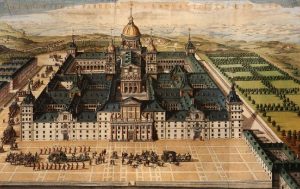
The earliest recorded use of mahogany in Europe appears in the construction and furnishing of King Philip II’s Escorial Palace, completed in the 1580s. Yet Spanish colonists must have recognized the remarkable properties of this New World timber much earlier. A mahogany cross documented in Santo Domingo as early as 1514 stands as evidence that the wood’s durability, resistance to decay and insects, and its almost divine perfume when carved were noted from the very first decades of contact. It is fitting that such an “immortal” wood was first used for a sacred object.

The Spanish and Portuguese crowns, having framed their overseas expansions as spiritual “crusades” against unbelief as well as imperial quests for wealth, relied heavily on timber—both at home and abroad. By the mid-16th century, Spain faced a precarious imbalance: its native forests were insufficient to sustain the massive shipbuilding industries required for military, religious, and commercial ambitions. Philip II, acutely aware of this, instituted ordinances requiring two trees to be planted for every one felled—an early, if imperfect, gesture toward conservation.

Portuguese acquisition followed a similar trajectory. Their holdings in Brazil—where the closely related species Cedrela odorata (Spanish cedar) and several Swietenia species grew abundantly—made Lisbon an early European center for exotic hardwoods. Portuguese shipwrights, furniture makers, and instrument builders quite possibly had access to these materials long before they became fashionable in the rest of Europe.

By the late 17th and 18th centuries it had become on  of the dominant luxury woods in the Anglophone and Iberian worlds—so much so that British and American colonial elites used it as a conspicuous marker of wealth.

Given this flourishing trade, it requires little imagination to assume that boards of mahogany, cedar, and various tropical hardwoods filtered into the hands of luthiers. With Spain and Portugal effectively cut off from the Silk Road and the Venetian luxury markets after the Ottoman ascendancy, the Atlantic became the more attractive route for the accumulation of raw materials—and mahogany arrived in Europe quite literally as part of the spoils of empire.

Locally sourced tradewoods such and pear, plumwood, and yes even apple – nutwoods such as walnut were very common. Anything one can lay hands on, would be the general impetus. 

Early Examples: Cedar and Fruitwoods in Luthiery


 lyra da braccio Linarol

One of the clearest documented examples of a cedar–fruitwood pairing appears in the lyra da braccio of Francesco Linarol, Venice, 1563. Its curious rib garland, carved from a single piece of pearwood, surrounds a voluminous corpus nearly 50 cm in length. Such combinations were far from unusual in the 16th century, especially before the later “standardization” of violin-family woods.

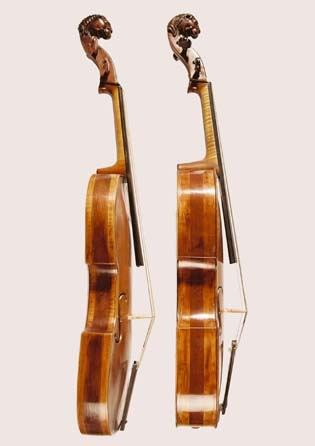
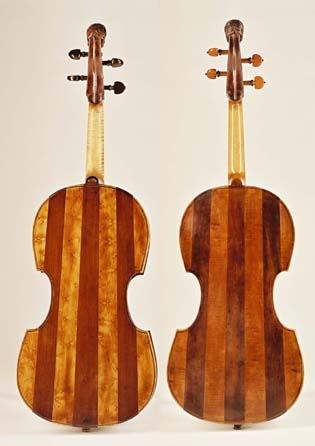
No less a maker than the great Jakob Stainer—who held a leading reputation as the world’s greatest violin maker—used fruitwoods for two esoteric Armviolen, commissioned by the archbishop of Salzburg for the court chapel. Note also  that the rather massive corpuses fit our imaginary tonal portrait assosiated with both iconography of viole de braccio and surviving instruments.  Here again we see the typical viol construction using plum and bird’s-eye maple in joined strips, with arched spruce tops, usually Haselfichte, characteristic of the Northern Alpine and Füssen makers who migrated to Venice in search of their fortunes.   

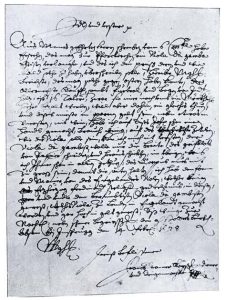
One of these instruments shows the typical rib-depth reduction intended to conform to more 19th-century playing requirements, and both necks have been thinned or lengthened with this aim. We have further tangible proof of Stainer’s use of exotic woods in a letter promising the delivery of a viola da gamba made with Indian woods, and requesting payment in cash.

viola da braccio Stainer Armviolen

Stainer viola da braccio 1654 and 1671 with rib reduction

viola da braccio Stainer 1654

Michel Colichon and the Maverick use of hardwood for soundboards

The most famous example of the use of Cedrela odorata, or Spanish cedar, comes of course from the now-legendary viols made by Michel Colichon, whose tone has been revered for centuries. His bold and unique use of cedrela for the top plates was a particularly maverick endeavor, given the lack of historical precedent for deviating from the customary spruce tops. The resulting tone is completely unique, given the damping qualities of Spanish cedar deliver a more silvery, deeply rewarding response. One need only to rememeber how original was this leap into tonal expiramentation given that the moniker Spanish Cedar, actually referes to a hardwood, mahogony, albeit a softer species. Other hardwoods such as cypress have been used for the soundboards of harpsichords, though spruce of course was much more common. 

Indeed, when browsing the instruments presented on my website, you may notice a unique trend. Look carefully and observe the absence of the more traditional 18th-century pairing of maple and spruce. Picea abies (spruce) and Acer species (maple) eventually became the normative materials for violin-family instruments, but this was not necessarily a boon for lutherie. In fact, this narrow, myopic limitation has plagued violin making since the 19th century and continues to this day.

This pairing tends to produce a clear, powerful projection—qualities prized by 19th-century concert culture—but it also homogenizes tone in ways that reflect the tastes of that period rather than the rich diversity of earlier practices. These ideals were later amplified—one might even say distorted—by the opinions of a few rather unscrupulous dealers and marketeers.

Charlatans such as Jean-Baptiste Vuillaume  were not only seeking gain when perpeuating the false Strad Mythos, but also rampantly involved with the butchering of Cremonese violins to better accocopany the cacaphonic screeching of bel canto opera in the 19th. Century.
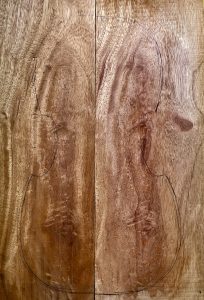
As with the Stainer Armviolen above, the original tonal intent is somewhat mystifying to imagine, given our modern ear and the jaded mind it is connected to, but one can easily surmise the more softer aestetic by listening to performances using all gut stringing. The difference is profound. 


Monteverdi and his ten voices for profound expression

But I most certainly do not wish to say that our tonal portraits in sound should be whispery, softer spoken cousins to their hacked down counterparts…Monteverdi would have demanded powerful and potent instruments to accopany his radical new idea of Opera, ones which would not be lost among the voices of the other instrumentation.

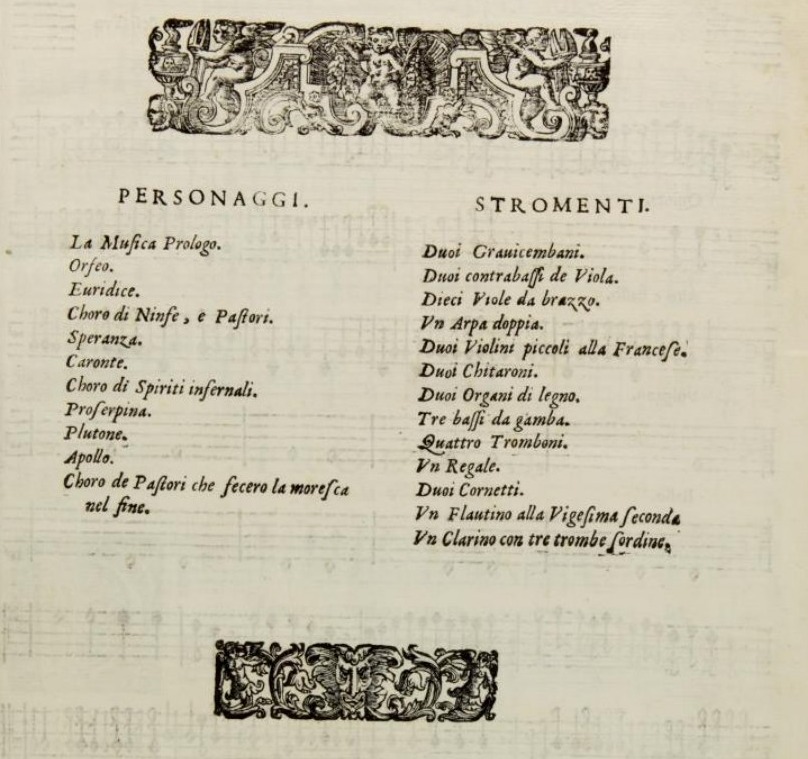
In L’Orfeo (1607), Monteverdi’s request for Dieci Viole da Brazzo  is striking and highly purposeful. Rather than functioning as a uniform string section in the later Baroque sense, these instruments are used flexibly to color scenes, support text delivery, and help delineate emotional and dramatic contrasts throughout the opera. Monteverdi exploits their warm, human-voiced timbre to mediate between speech-like declamation and fully lyrical singing, making them ideal partners for the evolving vocal styles of the work. Whether or not the instrumentation simply means ten bowed instruments is a point of contension, as beyond the rather limited information we can gain from Praetorius writings, our knowlege is limited as to the use and even the tunings of these instruments. 

One facinating theory by Ben Hebbert is highly worthy of consideration, though admittedly a musing, purports to say that the term viola da braccio and the confusion around it over the centuries is merely a semantic issue clarified at once with the assumntion that Brazzo, and Gamba, were simply usits of measure in the Renaissance mind. This does hold firm given the myriad of names given for esoteric deveations in stringed instruments in general. Read on further here.

If were are then to take Claudio´s desires stright from the horses mouth and assume he quite simply litterlly meant ten viola da braccio then an entire world of performance does seem to spring forth, and this is one not yet fully explored in contemporary performance.

For example, in passages of recitative, such as the Messenger’s devastating narration of Euridice’s death (“In un fiorito prato”), the violas often provide sparse, sustained harmonies or simple chordal support. Their restrained use allows the text to remain at the forefront, intensifying the rhetorical delivery and heightening the sense of shock and inevitability. The blended sound of multiple violas creates a darkened, veiled sonority that mirrors the emotional gravity of the moment without drawing attention away from the words. 

By contrast, in more arioso passages—most notably Orfeo’s lament “Tu se’ morta”—the violas assume a more expressive role. Here they reinforce the melodic contours of the voice, sometimes moving in gentle counterpoint or providing richer harmonic padding. The collective weight of the ten instruments lends gravity and depth to Orfeo’s grief, transforming the lament into a moment of suspended time. The violas’ close relationship to the human vocal range makes them particularly effective in conveying intimacy and emotional vulnerability.

In the more aria-like sections, such as Orfeo’s opening song “Ecco pur che voi ritorni,” the violas contribute to a brighter, more animated texture. They may be divided into smaller groups, creating antiphonal effects or rhythmic vitality that complements the dance-like character of the music. In these moments, the violas participate in the celebratory atmosphere of the pastoral world, reinforcing its balance, warmth, and order.

Monteverdi also uses the violas in madrigal-style choral passages and instrumental interludes, where their number allows for rich polyphonic writing. These sections recall the composer’s roots in the late Renaissance madrigal tradition, while simultaneously pointing toward the emerging operatic idiom. The violas act as a sonic glue, unifying voices and instruments and smoothing transitions between scenes.

Just as important is the way the viola ensemble interacts with the basso continuo, which changes according to dramatic context and character. Monteverdi provides unusually specific instructions in the score, assigning particular instruments to particular situations—an innovative practice at the time. Elevated, “noble” instruments such as the harp, chitarrone, and harpsichord are associated with pastoral scenes and divine characters, while darker, lower-pitched continuo instruments, including the regal organ, dominate the underworld scenes. Against these shifting continuo colors, the violas function as a constant expressive middle ground, capable of reflecting both earthly sorrow and lyrical beauty.

Based on Monteverdi’s indications and contemporary practice, if we assume that the orchestra for the first performance of L’Orfeo consisted of a varied ensemble including ten viola da braccio, with the violins piccolo, violone, multiple continuo instruments (harpsichord, organ, regal, chitarrone, harp), cornetts, trombones, and recorders. The prominent role of the viola da braccio group underscores Monteverdi’s concern with instrumental color as a vehicle for drama, emotion, and meaning—anticipating the orchestral thinking of later opera while remaining rooted in Renaissance expressive ideals.


Remembering that these gut-strung instruments, when combined, would have possessed not only considerable power but also a remarkable immediacy of response, one gains a clear sense of the striking contrast with many modern performances that rely on wound strings. The earlier sound world was at once direct, resonant, and uncompromising in its presence. 


Flat-back construction offers a dramatic alternative to arched, carved backs. Acting almost as a second soundboard, the flat back serves both to amplify and to reflect sound. While this approach may appear more limited in terms of graduation, the introduction of internal bracing opens an expansive field of possibility. Here, the luthier seems almost to grow wings. Variations in damping, distribution, and the very composition of bracing materials are virtually inexhaustible. Roger Hargrave, when addressing the question of bracing, has described the multitude of historical approaches as nearly mythical in character. Indeed, makers often speak of this process with such intensity that it borders on the alchemical; the shaping of sound becomes a pursuit that edges toward the mystical.

Moving further toward a more reflective, silky, yet powerful tone, the use of woods such as Swietenia, Cedrela, walnut, and other materials beyond the narrowly conceived eighteenth-century spruce–maple pairing seems not only logical, but entirely natural. If the pursuit of tone leads to hidden treasures, they are not always easily uncovered. One must sometimes take great leaps, uncertain whether the ground beneath will prove firm, or whether one will instead be carried away into an endless sea of sound.


Francesco Molino, and the Romantic Guitar. The 19th Century Dream of a Perfect Instrument.

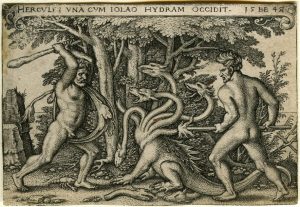
One could almost think of musical instrument organology as a Lernaean Hydra, its many necks extending through centuries, its slow movement able to peer around corners in time or see behind multiple walls simultaneously. Mostly, changes in instruments occur outside of human time; however, occasionally, rapid sea changes wash over our multifarious cultures, creating an illusory permanence. The metaphor is perhaps a bit clumsy, but once one begins the fateful journey into organology, the threads and connections which seem to link them dissolve into appendages—faintly connected to a single body. Such is the case with the guitar.
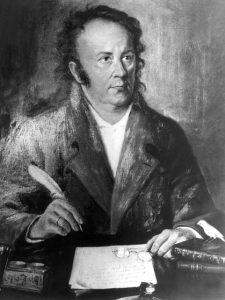
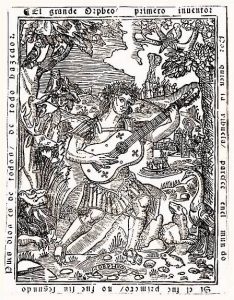
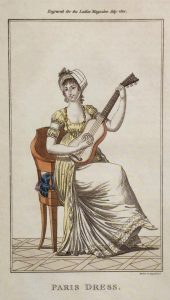
Although I have been making musical instruments of the Baroque and Renaissance periods for over three decades, whenever anyone inquires which historical period I feel most connected to—and would willingly travel backward to experience and live within—the answer is always, undoubtedly, the 19th century.

Great and meaningful cultural upheavals were occurring—not only musically, but throughout all branches of the creative arts. The sentiments of Byron, William Blake, and, in Germany, Jean Paul Richter, rebelled against the previous century and a poetical style generally based on odes, epistles, and elegies. Jean Paul (who has always been something of a personal hero) changed German literature so profoundly that one can hardly imagine it without his influence. Although outshined in popularity by the sugary sentiments of Goethe, Jean Paul was the Jimi Hendrix of 19th-century literature. These were portents of a changing century. Great upheavals, inventions, and dreams were soon to spring forth. It is important to see through the looking glass at this tumultuous vision of cultural change, as it generally foretells the transformations soon to come in lutherie.

The Post Baroque Guitar and great innovation.

At the turn of the century the guitar in some form had already been in existence for three centuries. The Vihuela, an early ancestor and a “Chistianized” version of the lute, appears in Spain in the 15th Century. Probably due to the influence of bowed medieval viols and fiddles, the bulbous back of the lute is dispensed with.Early Vihuela image

Guitars made with 5 courses were a French specialty, but were later out of fashion due to the incompatibility to combine with chamber or orchestra.

post baroque guitar, 1800

Violin makers were often tasked with producing multiple types of instruments of different family. In Naples, makers would cater to the musical needs of the public, producing mandolins, and in 1780, Fernando Gagliano working in Naples produced one of the first single string guitars. Unfortunately these instruments were made with very thin, straight backs, and the absence of taped ribs generally led to distortion of the body.

Geigen und Lautenmaker

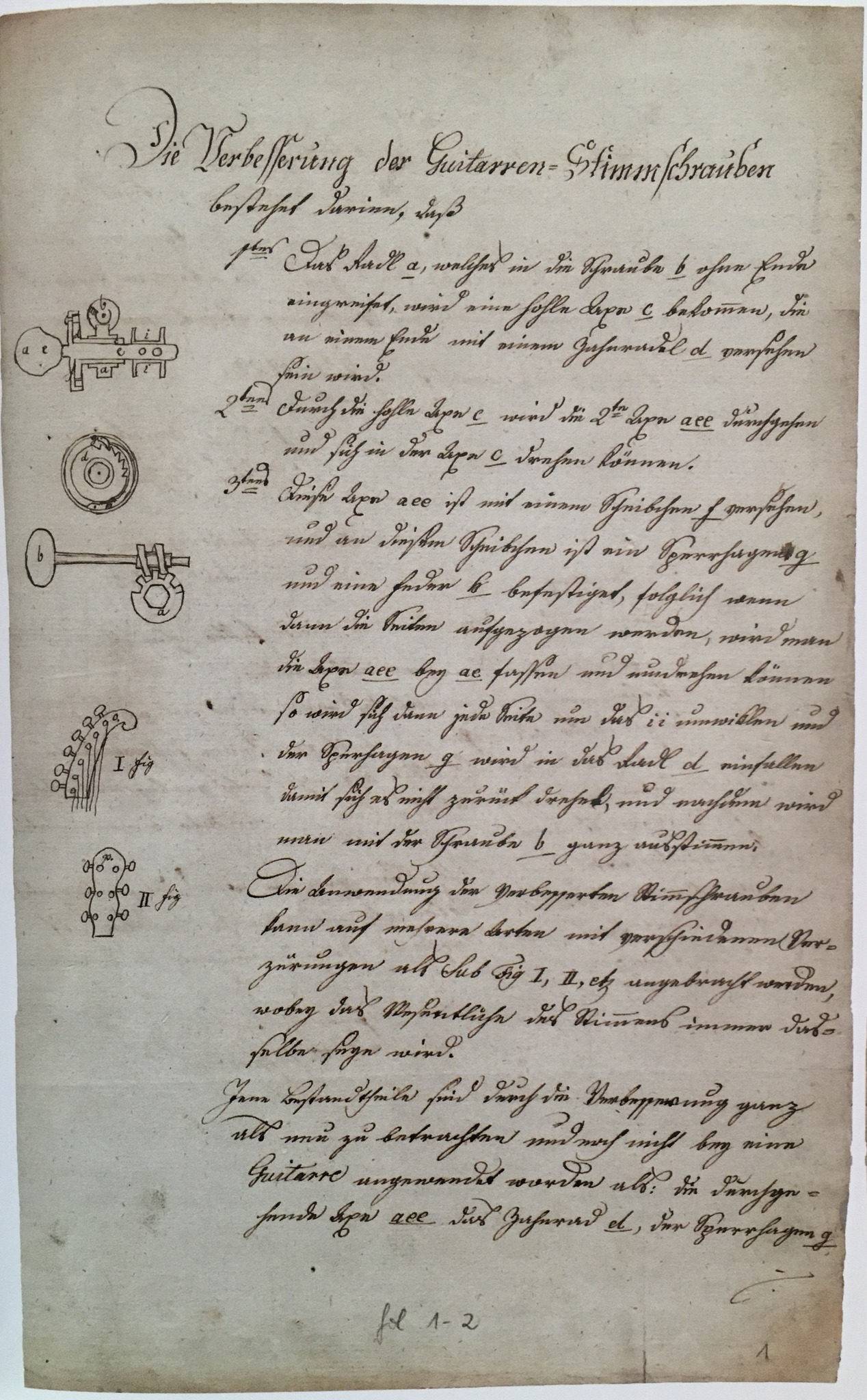
Stauffer Stimmschrauben patent

Stauffer tuning machine design

Violin makers and guitar makers today are commonly separated by genus, with one typically not dabbling in the other. This however was  not always the case. It was common on violins labels to claim polymathic abilities, even if no lutes were actually produced in the workshop. When one thinks of innovations in lutherie and in Viennese guitars in general, the name Stauffer is usually the first to come to mind. The amount of innovation and bold expiramentation in tone was so great and extensive, as to nearly cause bankruptcy. Stauffer seemed more obsessed with making the perfect instrument than running his business. Many of these changes, such as mechanical tuning pegs,   were to precursor the modern guitar as we know it today. Stauffer did not think of himself as soley a guitar maker, though many of his changes were destined to transform the instrument into modernity.  Many of his right of privilege claims were for for other instruments, including the pianoforte.

The dual claim printed on the labels, Violin and Lute Maker was occasionally also quite factual.. the list of violin makers who dabbled outside of violin lutherie,  who also made guitars, harps. and mandolins, is extensive. Names such as Antonio Stradivari, Joachim Tielke, Guadagnini, Panormo, Lupot, are familiar ones to our ears.

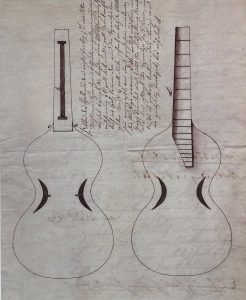
Stauffer was however not alone in his quest. Other Viennese luthiers applied for protection of their innovations, each seeking the elusive dream of the perfect instrument, as well as a technical advantage over the competition.n  Peter Teufelsdorfer sought to improve neck stability with the insertion of a steel support rod, a feature still used in modern guitars. One notes in the sound holes a curious relation to earlier bowed instruments,  with the form of the body ‘nach Art der Viola d’Amour’ as written in the description.

Teufelsdorfer guitar design sketch


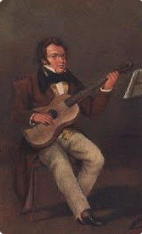
The “guitarromanie” that swept Europe in the 19th C. was so engaging and overwhelming that many composers of the time could not help but be specks of dust in the broom. in Paris Hector Berlioz used the guitar to compose orchestral music. Other more tender souls such as Franz Schubert  used the guitar  as compositional tool when writing the monodramatic song cycles,  Die schöne Müllerin and the Winterreise. An illuminating quote from the great scholar Phillip Bone sheds some light on these pieces…

Schuberts Stauffer Enzenberger guitars

Diabelli published the first compositions of Franz Schubert, when he was unknown as a musical composer, and these first publications were his songs with guitar accompaniment. Schubert was a guitarist, and wrote all his vocal works with guitar in the first instance. Some few years later, when the pianoforte became more in vogue, Schubert, at the request of his publisher, Diabelli, set pianoforte accompaniments to these same songs.”  –Phillip Bone


Naturally then there would be some renegades who in the spirit of invention, sought to combine violin family instruments with their plucked cousins. Guitars with violin-like qualitties in the 19th C. seemed to spring forth, (as if another head growing from the Hydra!)

Stauffer developed the Arpeggione in an attempt to combine the dynamic qualities of bowed instruments with guitar construction.

The instrument seemed destined for a bright future, with Shubert composing a  Sonate für Arpeggione und Klavier to feature the instrument. Its fate, as was similar to the many heads of the Hydra, was to dwindle into obscurity. Schubert’s sonata in nowadays often performed with a violoncello or viola replacing the curious instrument.


Francesco Molino: The Virtuoso Who Bridged Guitar and Violin

Francesco Molino (1768–1847) was an Italian composer, guitarist, and violinist whose work significantly enriched early 19th-century classical guitar music. Born in Ivrea, near Turin, Molino initially trained and performed as a violinist in orchestras across Italy and France.

Molino had begun oboe and viola studies at age 15, and much of his early life seemed to be devoted to bowed instruments, with employment as a violist in the Royal Theater in Turin 1786-1789. Francesco was something of a polymath, publishing his first violin concerto in Paris, 1803Molino

Molino’s compositions reflect his dual mastery of the violin and the guitar, often blending lyrical expressiveness with technical brilliance. He published numerous guitar works, including solo pieces, duets, and instructional methods. His “Méthode Complète pour la Guitare” remains a valuable pedagogical resource, offering insight into 19th-century performance practice.

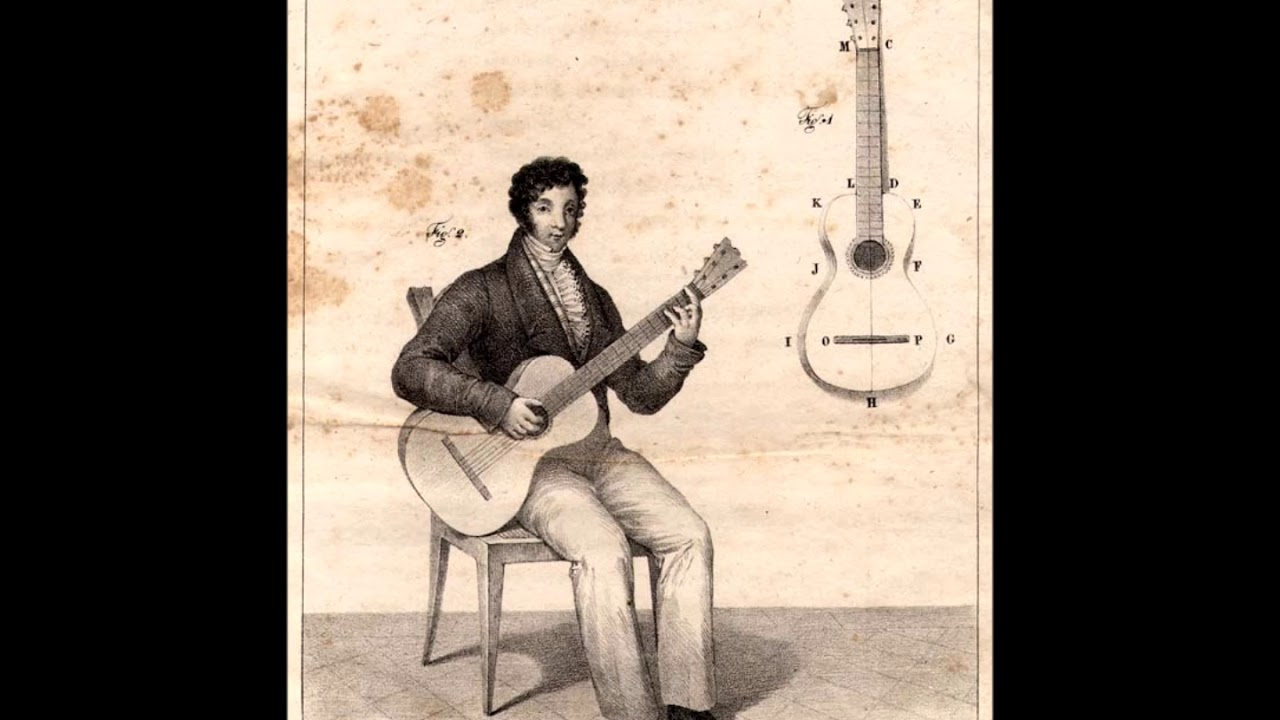
What truly set Molino apart was his inventive spirit. In the early 19th C, he introduced a unique hybrid instrument that fused the qualities of the guitar and the violin. This invention featured a six-string guitar body equipped with elements borrowed from the violin family—most notably, Molino seemed to be speaking to the future when his published his Method. He includes detailed instructions on the parts which compose the instrument, on the fronstpiece in a lovely illustration….Molino

Although Molino’s guitar-violin hybrid never gained widespread popularity, it represented a bold step in instrument innovation. His creation prefigured later efforts by luthiers to expand the expressive range of plucked string instruments. Today, Molino is remembered not only for his elegant compositions but also for his adventurous approach to musical expression.


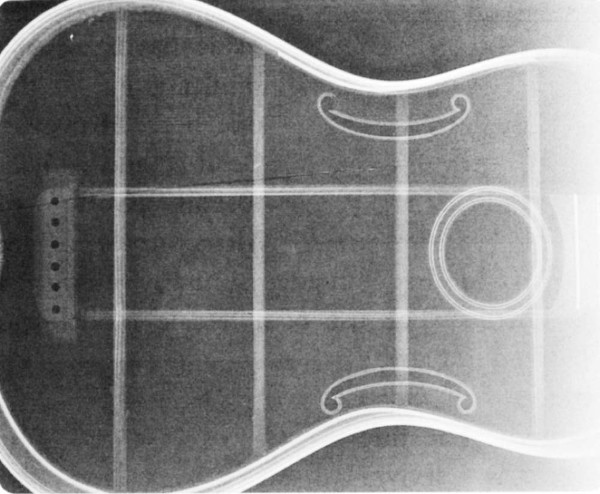
The arched top and a floating bridge did indeed speak to the future, as these attributes would later appear in modern guitars for the strength, and power of tone. Also unique to the interior construction was the use to two parallel bars, similar to violin bass bars, allowing the maker seemingly absolute control over the projection and tone of the finished instrument.

Molino model guitar with violin style bracing


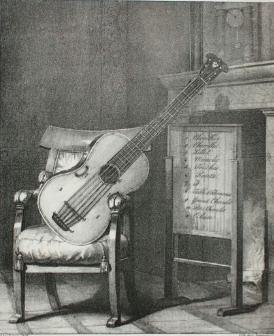
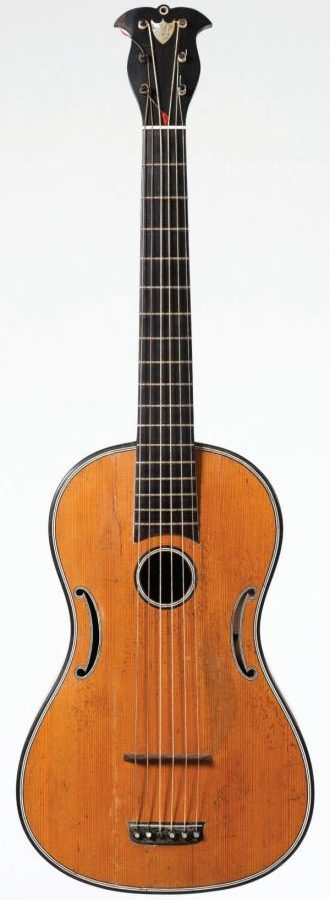
The Molino model developed by the Mirecourt maker, Mauchant Frères, or  Mauchant brothers (1762-1844 and 1788-1871), was just this leap ahead that would seemingly form a bridge between the vastly different worlds. Mauchant Frères arch top guitar


Molino model guitar

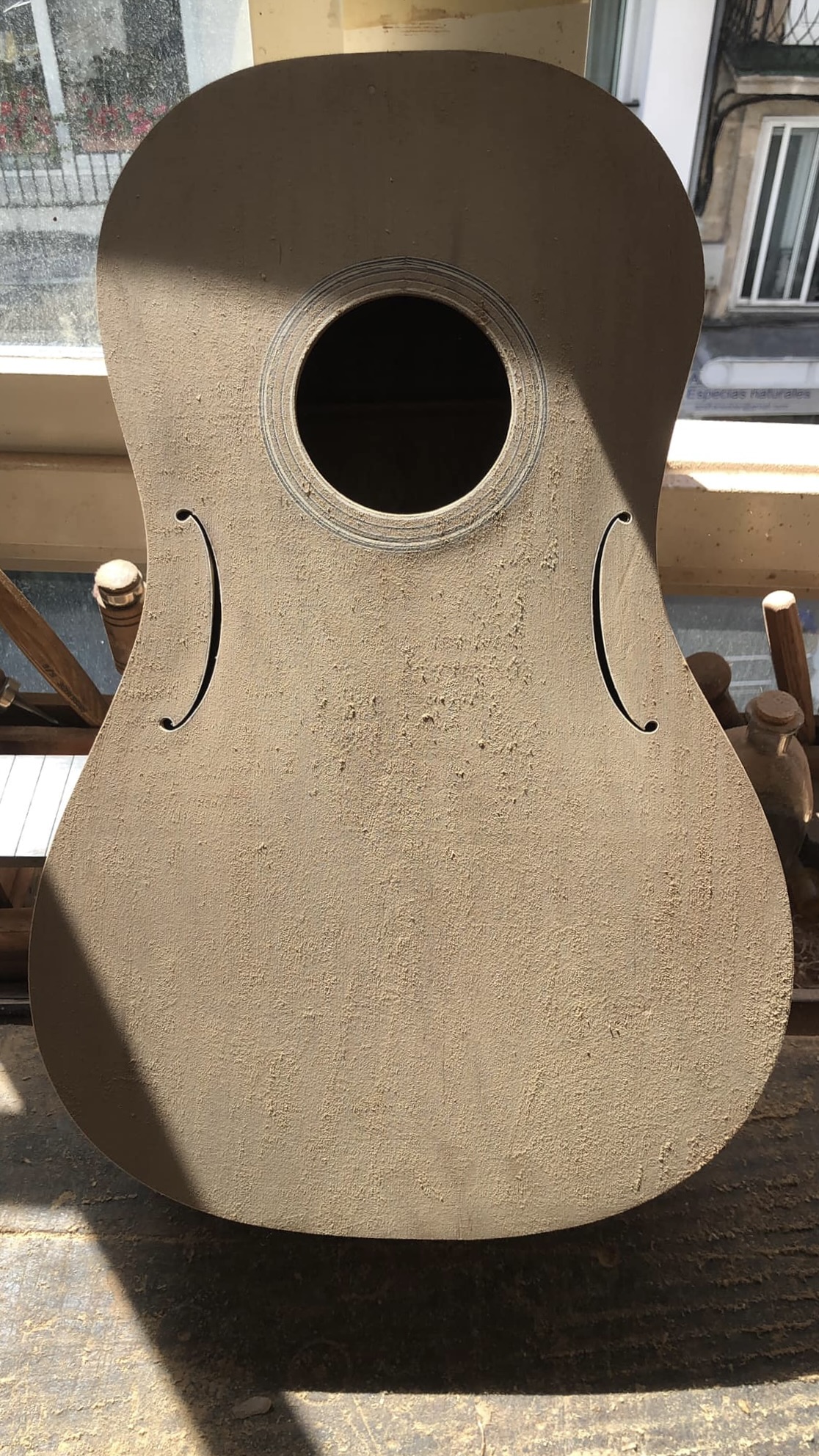
My own fantasy model made in the Spanish workshop takes several flights of fancy, however any deviations were in consideration of tone. The soundhole has been enlarged slightly, and thinner C bout holes employed for a silvery reponse. The pairing of Black Limba and cedar, are by no means kosher, if following our Mirecourt example, but provide a more pensive, softer treble response while still having bell-like qualities.

One of the most exciting aspects of this project is the raw expiramentation in using alternative materials on several different guitars. Molino´s innovations were not limited by any exclusivity or right of privilge, so the model was embraced by several luthiers in Mirecourt, each with their own subtle interpretations.

The reward in sound difference is palpable. The finished instrument is a dream to play, and most certainly in the spirit of 19th C invention.

Here one may peruse images and see more info on this unique model guitar

Honest, but Fancy Wood. Tenor Viola da Gamba after Grancino.

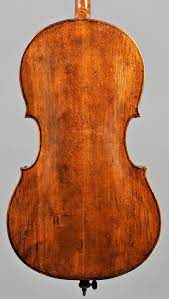
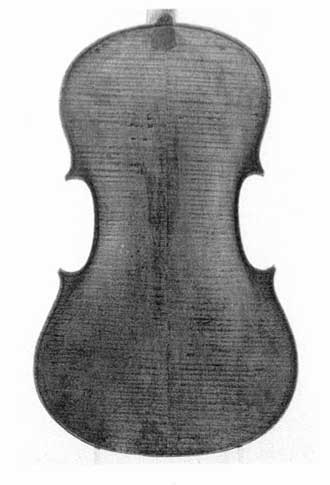
The back for the original Grancino attributed instrument is of a very plain, honest Italian Poplar.

Plain, honest, working class!

Milanese makers were certainly not choosy about their wood selection, as a general rule. The plainest of materials however can have spectacular tonal qualities, and even be superior to highly figured woods. However for the past two centuries, great judgement has been unfairly passed upon makers for their wood selection. In Hamma’s  exhaustive tome, Meister Italienische Geigenbaukunst, he often writes, “poor choice of wood” – usually when confronted with such plain Jane backs as above. This is, in my mind, a great error, as choosing wood materials solely based upon optical qualities would be a huge mistake.

It may surprise you, that most luthiers do just this! The most expensive wood is usually tiger striped, flamed maple. WHY? The reverse should actually be the case, with the greatest sounding wood priced highest, not the tone wood with the most attractive optical qualities.

Describing sound with words will invariably involve metaphor. This is true not only with sound, but with other subjective experience, such as taste, and smell. Wittgenstein was eternally annoyed by the lack of ‘atomic truth’ in language, and even went so far as to postulate that all philosophical  problems, at their source throughout history are really simply semantic disconnections, or the inability to verify private experience. For example, describe the sensation when you see the colors, blue, and white, together. Can you? How would you begin to do so? More importantly, how can you verify that your subjective description is the same as mine?

When describing wines, liquors, cigars, and luxury items, reviewers often use seemingly wild and unlikely metaphors! This carries over into perfumery as well, as when describing the experience of scent, the only reference to a material other than the one being experienced, seems to suffice in communicating subtle differences. What makes a GREAT perfume differ from an ordinary terrible one that your grandmother uses?

Can you combine seaweed and jasmine alcohol tincture? YES!

So in sound it is basically the same. How do we describe the sound of a great instrument with words? How can we make a judgment about the quality of wood, just by looking at it? Think about it! It’s actually quite ridiculous.

I will try and describe the sound I am seeking.

Leathery,

melancholic,

pensive,

and yet with a  sharp, clear, crisp and response! Thus the cedar top.

Sapele is a wood with often wild variations in grain density, so the interior reflecting surface with variations in hardness, should give when combined with high, dramatic arching, the beginning foundation for my tonal dreams. Sapele also has very dense, rugged, almost stubborn areas, and in other places, much looser, less dense medullary rays. So in essence when put into vibration, the plate is confused, if you will allow me that metaphor.

What would one give to be in front of Michel Colichon at the very moment he first put his hands upon Cedrela Oderata or, Cigar box Cedar, a.k.a. Spanish Cedar. The moniker comes most certainly from the Odori of the wood, which blossoms and is magnified greatly when carved. Cedrela is actually related to the mahogany family of woods, however, is infinitely softer, and lighter in weight. Colichon without question had a very strong intuitive force in imagining the tonal capabilities of this unique material, as he used it for the tops of his instruments, not only the back and ribs.  A completely radical experiment in the history of lutherie. His intuition proved correct. All of the Viols  made entirely of Cedrela are famous for their very fine tone.
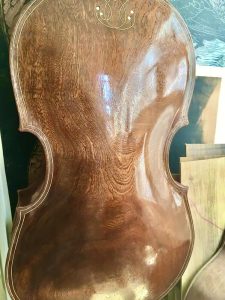
On the lower left bout, highly dense, concentrated grain.

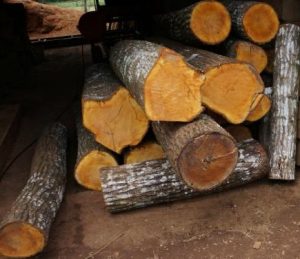
My choice for the back, commonly known as Sapele, not only reflects the dream of sound, but is a humble, honest, Mahogany. One can see how grain density can display large variations even among the same tree, in different areas.  It is of the same family, (Meliaceae) as true Mahogany, however this does little to clarify, as the general generic use of the term Mahogany covers hundreds of species, very different from one another.

The name Sapele has quite interesting origins, as its derived of the port city of Sapele in Nigeria, where the wood is most often exported from.where there is a preponderance of the tree. African Timber and Plywood (AT&P), a division of the United Africa Company had a factory at this location where the wood, along with Triplochiton scleroxylon, Obeche, mahogany, and Khaya were processed into timber which was then exported from the Port of Sapele worldwide.

The name of the city itself is said to be an anglicization of the Urhobo word Uriapele, commemorating a local deity. It is believed the British colonial authorities changed the name of the then hamlet to Sapele as it was easier to pronounce.

Sapele is not an  expensive wood. Even the highly figured, antique and rare slabs  in my workshop are priced the same as plain, straight-grained planks. The resonance and ringing qualities of this wood however are fantastic.

So, in moving forward in the spirit of the Milanese makers, the use of it is a polite nod towards their traditions, and in my mind, perfectly fitting for an inspired instrument based upon the humble original. One notes that each plank has different ringing and note qualities as well, though subtle, based upon oon the swirling, galaxy-like figurines present in the grain.

So then, why use Sapele?

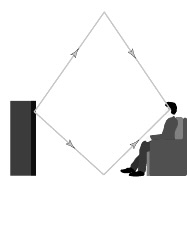
Let us play with the following thought experiment: Imagine yourself in a chamber in which all surfaces are covered in ceramic tile, hence, like a large bathroom. Now imagine you have been given the magical power to change the composition of the surfaces. In the ceramic room, sounds from your voice reflect very quickly back to the ear, and the timbre of sound is something easily imaged. Now you change the surface commotion to steel, tin, or brass. The sound reflection changes as does the actual timbre and character of sound. A softer surface such as leather, would dampen the sound, and even softer such as foam insulation, would kill the reverberation entirely.

The back surface of musical instruments perform a double duty as vibrating boards and reflecting surface (as in our imaginary room above) which returns the sound through the F-holes to the listening ear. So the back material for every instrument will have a wide differentiation even among the same species of wood, i.e common maple used for the majority of violin family instruments produced today. Sapele can often display wild differentiations in both density, hardness, and grain distribution, hence its potential as a partial dampening material provides the luthier with a unique challenge and opportunity for expression and control of the reflecting surface.

If one were to begin with a very specific tonal dream in the mind, and move forward using every possible variant which strives to complete and make real the fantasy of sound, then alternative woods make not only absolute sense, but become essential.


The Baroque Tenor Viola – Gespenst of History and Tone

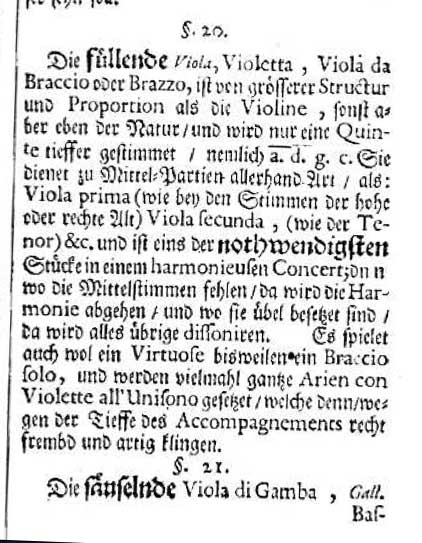
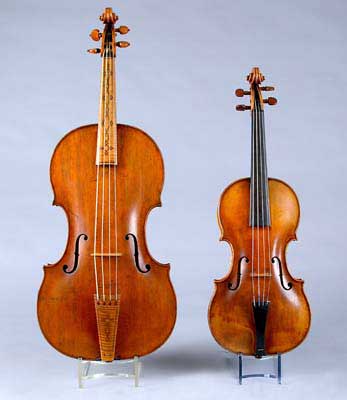
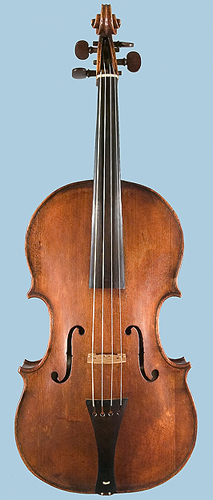
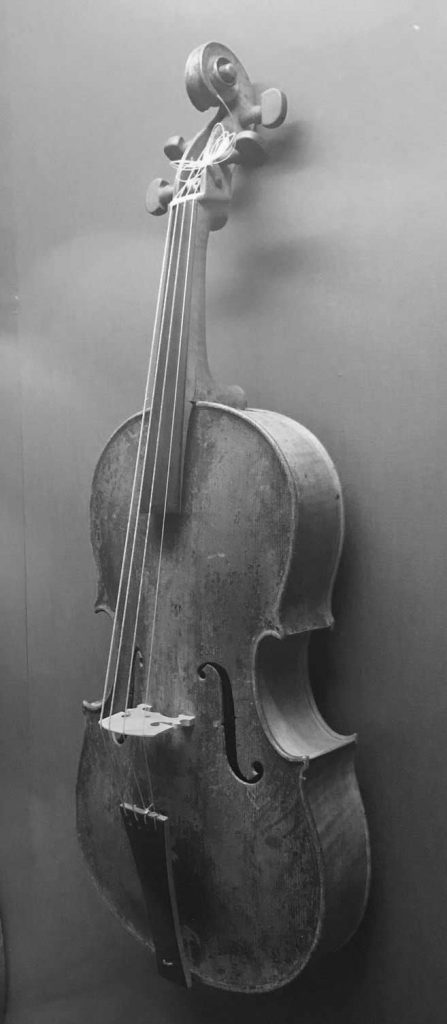
Most violists are familiar with the contemporary tenor size viola and its stark contrast to the historical Baroque tenor viola. In relation to this modern mindset in which a scale of corpus reaches a maximum of 43cm or (17″) all aspects of the construction of these utterly modern violas, their string and neck lengths,  mensur, and ribs depths, are usually set by the standards of the Quaderni di Liuteria and dimensions taken from Cremonese instruments altered in the 19th Century.  It is no small wonder then that they will often add the notion that they are unplayable, giant beasts, ill-suited for day-to-day playing and most repertoire.

Many however fail to grasp that the ergonomic design of historic large tenors made them quite manageable as compared to the modern tenor. Overly large violas and their players in contemporary culture and particularly in the 20th Century, have been the subject of unfair discrimination and jesting,  humorously seen as a knuckle-dragging curmudgeons unable to manage the virtuosity needing for modern violin performance. On the other hand, 20th Century violin makers began to realize and recognize that the sonority of the larger corpus violas was something greatly desired, or even aesthetically more pleasing than the smaller alto or contralto sized instruments.

Anonymous German Tenor Viola with altered outline.

The tenor viola has a dark past. As if a hunted beast,  most were “cut down” in the 19th Century to make smaller instruments. These hacked-down specimens regularly come up for auction as crippled versions of their old larger selves. The most obvious sign that they were once larger instruments is wide sound hole spacing close to the purfling or outline. Less often noticed or remarked upon is the practice of rib reduction. Often,  this butchery is done so well and convincingly, that modern eyes fail to see the changes. The alteration of musical instruments did not begin only in the mid to late 19th Century as a means to turn a profit, however. The workshop of the Mantegazza family of violin makers was entrusted with the regraduation and thinning of many of Guarneri del Gesu’s violins. The voice of your favorite Del Gesu violin would probably not even be recognized by its creator should he magically be able to listen to it today.  With the successive generations around1800 (likely prompted by the violinist Viotti) the workshop was one of many who were involved in altering/lengthening necks to modern dimensions. Neck blocks were added as a necessity towards a mortised, not nailed, neck. It may surprise you to know that the majority of all violin makers working today reproduce these 19th Century alterations when they make an instrument. In effect, they reproduce a sound and tone which were not by any means the intention of the luthiers they seek to emulate. The “Strad Cult” is another topic altogether, as is the emergence of 19th C. Opera, which was the beginning of the total destruction of the culture of artisenal, handmade keyboard instruments in Italy. For now, we will focus on violas.

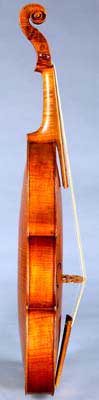
17th Century ViolaThe early tenors were often massive instruments with back lengths at 50cm and occasionally, even larger. What is often overlooked is that in Italy the neck lengths were commonly made at around 12cm, or shorter than our modern violin neck.  Playing postures varied considerably and were both under the chin and rested on the arm. In the Organological treatise of Praetorius  Syntagma Musicum, written in 1618, two separate tunings are given for the Tenor Geige – the instrument which corresponds to the larger tenor violas. One may note that the rib depth is quite substantial; a characteristic trait that would continue in the construction of later tenors far into the 18th Century, some of which will be seen below.    These instruments must have been massive. The position of the instrument resting on the arm was likely much more common than one would assume, as ribs depths and corpus most certainly made them difficult to be played under the chin.

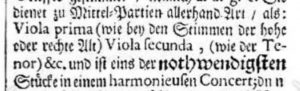
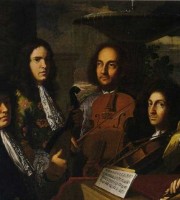
Johann Mattheson’s treatise of 1713, Das Neueröffnette Orchestra, stresses the importance of the separation of alto and tenor parts and of the crucial role violas play in a “harmonious concert”.

Tenor BratscheIt is important to realize that the tenors played a separate role and were occasionally even tuned differently from the smaller, alto instruments. Daniel Hitzler writing in 1623 gives a lower tuning for the tenors by a fifth, separating them entirely.
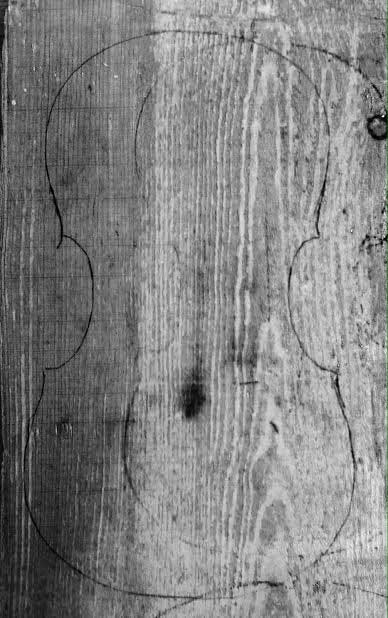
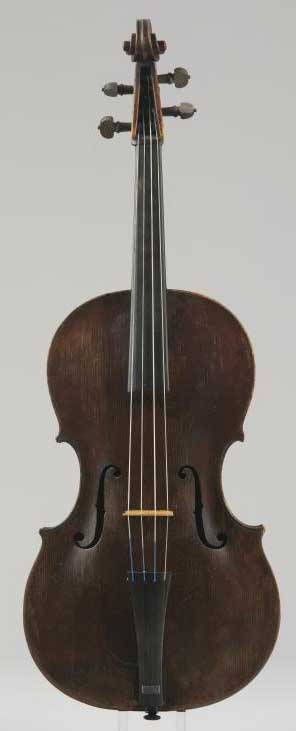
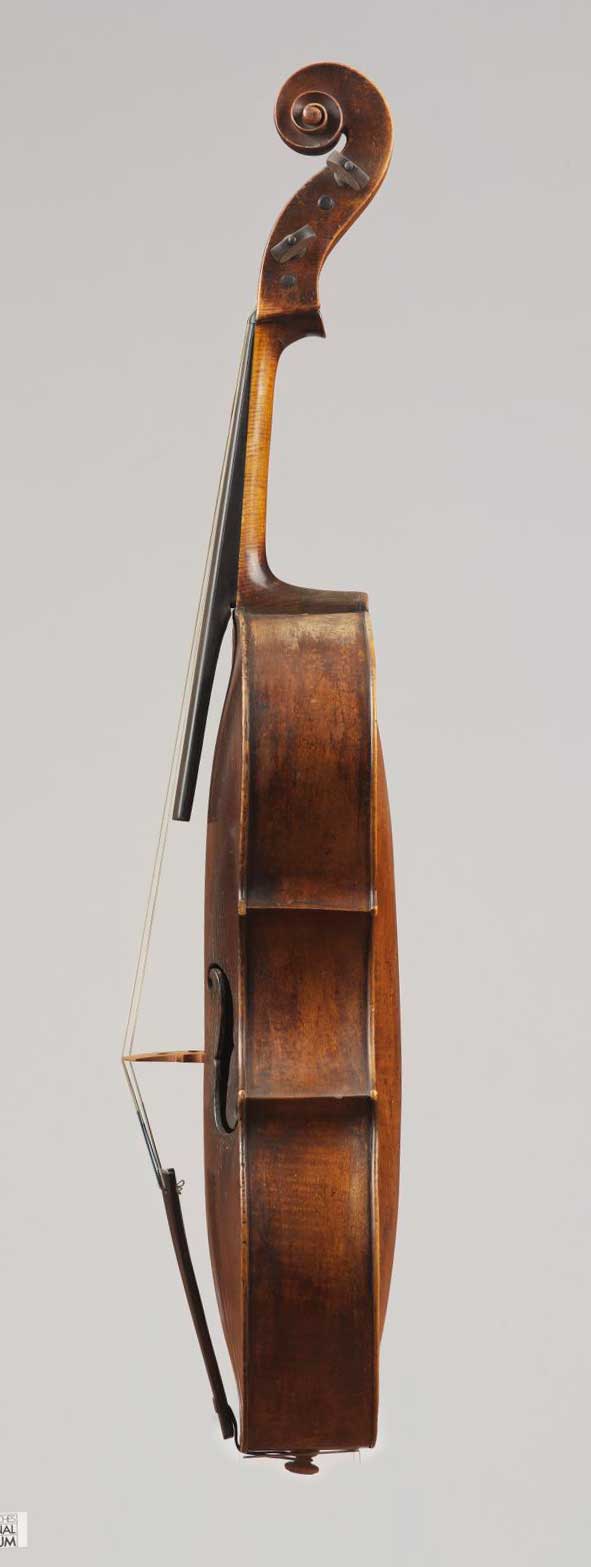
The few real tenors that have miraculously survived can be counted on the fingers. Many of these you may already be aware of, as they are made by familiar names in the history of violin making.  Antonio Stradivari, Andrea Guarneri, Jacob Stainer, all produced tenor violas, some of which survive in their original dimensions.  A tenor mould marked “TV” survives till the present day in the Stradivari Museum in Cremona. This illustrates the often overlooked fact that these giant tenors were once essential tools for musicians and a rich and important part of our human cultural heritage.

I have long wished to make a comprehensive catalog of all of the surviving tenors, listing not only the rare instruments that have survived in their original states, but also as many as possible those which have been altered and cut down. This is an ongoing task which will continue on this page.  The further one looks into the history of the tenor viola, the more multifarious and complex it seems. One sees cut down tenor violas come up for sale at auction quite often; the facts of their lineage and former dimensions going occasionally unmentioned  in the catalogs. Below is a short catalog  of many rare survivors, starting with the most famous ones which are for the most part unaltered from their original state. I shall also include some violas which have been cut down and attempt to surmise their original dimensions,  include playful and fantasy reconstructions of their possible outlines based upon extant examples, as well as include a short history of how the tenor viola developed and subsequently later disappeared from use.

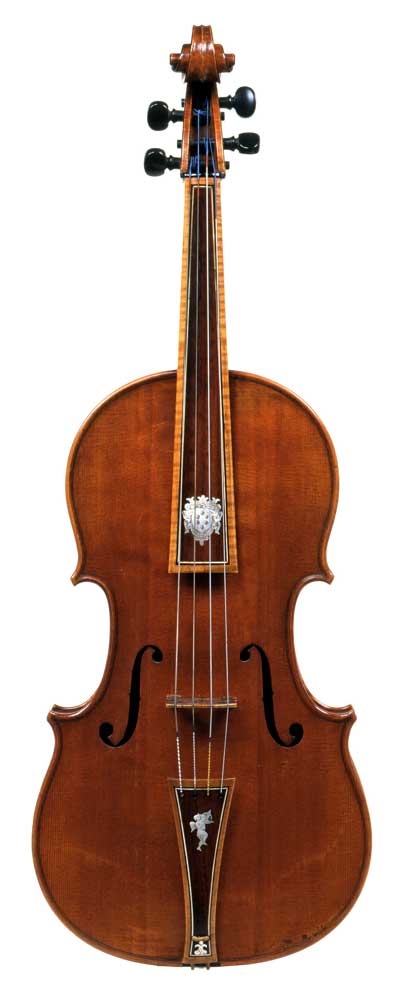
The Stradivari Medici tenor viola

I begin with this instrument as it epitomizes both the rare survival of a large tenor in original condition and the most basic impetus later in history toward the tendency of reduction in size. One may be tempted to think that the first concern and motivation to reduce the corpus of any instrument would be the difference and elimination  of part writing for the tenor violas, or perhaps the issue of comfort and playability. The most dominant motivation to butcher such beautiful instruments however was most often financial greed.

Baroque viola tenor Strad

This large tenor barely escaped being tragically  cut down and is remarkable in its near perfect state of preservation.  Why, you might ask, did such atrocious butchery occur?   In 1863 the Cherubini’ Conservatory  stated that the value of this instrument was only £1,000, most likely because its overly large dimensions made it difficult to play.This valuation gives a window into the 19th C. mindset regarding large tenors.  It is remarkable is that the fingerboard and bridge have survived intact. The fact that the most famous violin maker in the world had a tenor mould tells us how common large tenor violas were in the musical culture of 18th Century lutherie.


Jakob Stainer, Absam 1650.

The very famous and grand tenor viola has a back of 46cm   – the deepest depth of ribs at 44.4cm  The viola has a neck of 12.9. which is actually relatively long in comparison to some other tenors.  This instrument was made just at the dawn on the invention of wound over gut strings, however almost certainly had all-gut stringing. There are several surviving Stainer tenors and probably many more which have been cut down and lost. One may note that this world famous luthier produced highly arched instruments which held the dominant aesthetic for sound at the time.

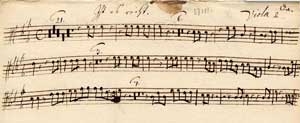
Early baroque score violaThe works of German composer Dietrich Buxtehude  may help to give us a glimpse into how the large tenors were used in the time of Stainer.  Although the viola da gamba often played a primary role independent from the  Continuo parts, the alto and tenor clefs were occasionally written in two separate parts, Violas 1 and 2.  The middle ranges can however be represented by  complex and confusing instrumentation.  Most often designated simply with “Violas”  (Va)  one also sees both viola da braccio,  (Vb)  or for the Violetta, (Vt) – an instrument which contemporary sources define in differing ways. In BuxWV 4, 24, 34, and 54,  two separate viola parts are given which double the violins. It should be noted that while Buxtehude composed during a time when viola da gamba was making its exit from the fashions of the time, he still continued to write parts for that instrument.  While I personally know of no direct connection to Stainer,  St. Marys Church in Lübeck (where Buxtehude held the position of Organist and Treasurer) had in its possession two tenor violas built by the Lübeck maker Daniel Erich.tenor bratsche


Mathäus Steger Mittersill 1644

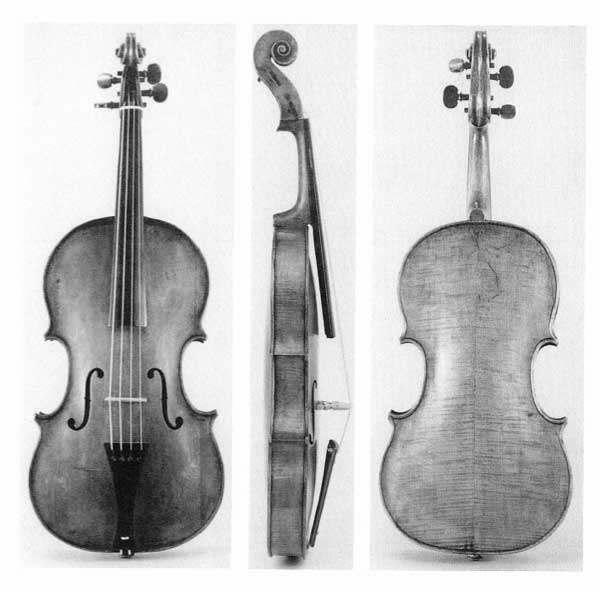
Curious and eccentric sound holes,  asymmetrical corners and outline characterize this unique German tenor built without a mould. The length of the back at 44.6cm is considerably small in comparison to other German instruments. The ribs are also very slim at 31.8cm, and inlaid into the back plate. This method of building was not uncommon in Germany and one occasionally sees Flemish and Dutch instruments which employ the same method. These instruments usually had linings; Mittersill used the very curious and odd method of gluing cleats or studs to provide ample gluing surface. (See photo below)  Another unusual feature is the dramatic slant of the bass bar position running across the grain. This positioning would have limited the mensur or bridge placement considerably. The instrument well illustrates the acuity of experimentation  in early mid-17th Century violas.

Andrea Guarneri 1664

The grandfather of Joseph Guerneri del Gesu, Andrea Guarneri began studying in the famous Amati workshop at the age of 10 years old. This giant tenor is well known among viola geeks as it truly is a monster instrument.  The bouts of the viola are so wide that wings were added to the 2-piece spruce table. The 48.2cm back is large by any standard of viola, however what is most remarkable is that the neck is quite long at 15.5cm, very unusual for an Italian tenor, whose necks are often shorter. It is nothing short of a miracle that this tenor has survived in such a remarkably perfect state of preservation. Worm damage was repaired in the 1940’s in the Bisach workshop; the nails were removed and carefully replaced with wooden dowels.

Tenor bratsche Tenor Bratsche barock

Gaspar Borbon 1692

Gaspar Borbon worked from around 1673-1705 and many of his instruments,  (as well as his pupil Egidius Snoeck) survive today and are housed in the  Koninklijke Musea voor Kunst en Geschiedenis, Brussels.   While Brescian instruments appear to have commonly inspired this Flemish maker, this beautiful tenor with its upright, straight sound holes appears to pay homage to the Stainer/Amati tradition.

Hauteur: 72,5 cm, Largeur: 26,8 cm, Profondeur: 11 cm

The Gasparo Da Salo Tenor Violas

There are no less than 10 uncut tenor violas attributed to Gasparo da Salo, and I hope to make a complete catalog of these in the near future.  One should also take some attributions carefully and with a grain of salt. Brescian instruments are the most common subjects of forgeries as their characteristics tended to attract the forgers muse. Inevitably any viola which looked as if made in this neighboring city to Cremona, would magically have a Da Salo label put inside. This Brescian master tended to make larger instruments as opposed to his student Paolo Maggini. This grand tenor retains it original dimensions, with a neck length of 12.3

Italian tenor viola

Johann Michael Alban. Bozen or Salzburg 1707

This giant tenor with a corpus of 45cm is particularly interesting as the extremely  deep ribs of bring into question the division between large tenor and violoncello piccolo. One notes that the neck is long in comparison to the Italian tenors.  I have made a copy of this instrument and found that it can be played both under the chin and resting on the arm comfortably.

On first appearance when walking into the treasure trove of instruments housed in the Kunsthistorische Museum in Vienna this massive tenor  tends to lead one to think it was a one-off experiment. Ribs of such depth also magnify in the mind the modern misconception of unplayability and whisper of their miraculous survival.

Hanging imprisioned behind glass, one gets a strong sense of the existence of a true chimerical survivor. My personal belief is that far from being an experiment, ribs and corpus of such magnitude were much more common than is normally believed, especially on instruments made in Germany, Austria, and the Northern Alpine region. RIb depth is actually one of the most common things to be altered in an instrument. In the case of the violoncello, the depths of ribs are expanded for more air volume, transversely with tenor violas the ribs are commonly shorted to allow more comfortable playing under the chin.

Traces of rib reduction on an early Amati viola.

Oddities in the world of lutherie and Organology abound.   The absence of surviving tenors with ribs as deep as the Alban viola does not necessarily mean that many were not built, or that Johann Michael working even at the comparatively later date of 1707 was a particular maverick in making successful experiments in sound. Other instruments though rare do exist, and were not early curiosities; instead being instruments likely produced to the demands of  real musicians. This brings us to the next German tenor.

Anon. German Tenor Viola ca. 1700 or later.

The Germanische Museum in Nurenberg have this cataloged as a 17th C. instrument. It is  however quite obvious to me that this viola was built much later, possibly even as late as 1750. The high rib depths recall the Alban Tenor of 1707 above. Tenor violas with cello-like ribs seem to be more common in Germany and Tyrol than in Italy, England, or other centers of lutherie. One may also note that the neck is quite long (I will provide dimensions later) similar to the Alban tenor. Such anomalies with ribs so deep as to confuse the line between piccolo cello and tenor viola inevitably lead one to question the historical playing position. While the Alban copy I made is surprising easy to play “under the chin” its more likely  that these instruments were played rested on the arm. While this is hardly a playing posture suited to virtuosity, it is certainly manageable when one becomes accustomed to the posture.


Barack Norman Grand Tenor

This wonderful grand tenor viola made in the period of 1700-1710 defies normal classifications due to the back folds on both bouts. Carved, arched backs with a top fold can be found mostly on Cremonese and Northern Italian viola da gambas and other bass instruments. The rib depth at the corners is an astonishing 72mm. Norman’s experimentation with this large tenor using gamba construction for the back allowed him to employ a second fold at the lower bout.

The depth here at 14mm leaves no doubt as to the playing posture intended; this was a giant tenor meant to be played under the chin. One should understand that this method of construction was not common, however illustrates well that there was a general desire for larger tenor sized instruments.

This lovely instrument is in the private collection of Benjamin Hebbert in London, who has  kindly provided me with the following dimensions:  472mm length (of front) –   72mm rib depth at corners-    48mm rib depth at heel –  14 – fourteen mm at endpin –  244 / 157 / 278 mm widths  – 44cm string length. Ben has written an extensive blog entry on this instrument which is a true pleasure to read. One may also hear audio samples of it being played by Paul Silverthorne.

Baroque Tenor Viola by Jonas Heringer Füssen, 1625

The long corners and double purfling take Brescian instruments as inspiration in this lovely tenor made in Tyrol. The instrument would have been originally fitted with all-gut strings. I include it here as it is a fine example of an early 17th Century tenors. Further research is needed on my part; a trip to the Tiroler Landesmuseum Ferdinandeum is pending, should I have time in the near future.

Anonymous Tenor, Austria ca. 1700

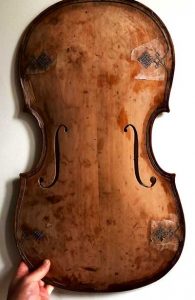
This interesting viola in the second image below came up for auction in 2014 at the Dorotheum in Vienna Austria and was listed as an anonymous cut down tenor with a corpus of 43.4cm. Based upon comparison of later Alban family outlines, sound holes and body dimensions I believe the original to have been quite large at 45-50cm and quite possibly made by Johann Michael Alban,   son of Mathias Alban. What you see below is my own fantasy recreation based carefully upon outlines of several instruments from this school of lutherie.

March 2018: I will adding additional instruments in the coming months should time allow me to do so. In the future I will also begin to arrange this as a catalog in chronological order and provide a table which compares by region, compositions during their time of creations, and  dimensions, when possible. I would also greatly appreciate your comments, suggestions, and images of additional instruments. I am hoping that this blog can help to dispel some of the myths regarding large tenors, and bring forth more interest in performing on them. Stay tuned.

Violoncello Bridge Design. Crafting Tone as a Passageway to the Baroque

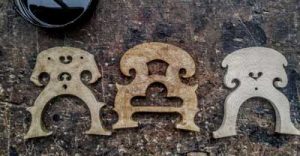
The standard violin bridge has evolved over many centuries from what would to our modern eyes be seemingly rather crude pieces of wood beneath the strings, finally towards very elegant, yet sometimes poorly understood parts of a bowed instrument. Luthiers generally order bridge “blanks” from a tool supplier, and refine these during setup, fitting feet, and tuning the hearts, kidneys, ankles, waist, to be a final finished product.Generic bridge blanks A very finely made instrument will sound terrible if the bridge is not right. The problem with this approach is that modern, factory bridge blanks are often made from kiln-dried, or even chemically treated wood. In the past, more organic solutions such as animal urine were used to ammoniate and hence harden the wood stock, the theory being that this would be easier to cut, and produce a clearer sound. 

While the general shape of the violin bridge has over the years become standard, the situation is quite different for violoncello bridges. 

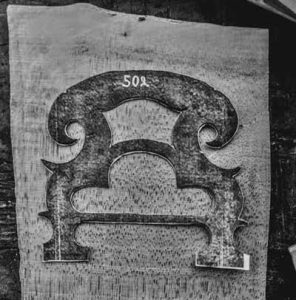
Thoughout history, different regions produced variations in shape, waist height, position of hearts and kidneys. All of these variation can make a profound difference in sound. This has been an area of fairly wild expiramentation in the past. Making an experimental bridge only takes a few days, so makers were willing to do absolutely crazy ideas. If you have a cup of coffee already made and some spair time, there is an online archive of historical bridges here.French baroque cello bridge


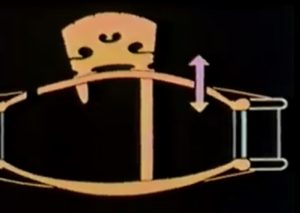
Let’s try and get a very basic understanding about the function of the bridge. Violin bridge actionA rocking motion is formed by the vibration of the strings, which in turn forces air and sound outwards through the soundholes. The feet are supported by both bass bar and soundpost, otherwise, the top would collapse and shatter from the pressure of the strings. Usually, by “tuning” the heart and kidneys, the maker searches for optimum sound. 

Having a commission for a baroque violoncello after Celoniato, and in preparation for arrival of the musician in the Vienna workshop, I decided to cut a minimum of three different bridges. Two of the designs were taken from historical violoncello bridges, the final being of my own design. This is to insure to that maximum sound potential is reached for this instrument. The historical designs were also chosen for a reason. Both my own and the others were based upon input from the customer and moving towards a portrait of tone which began on the very first day of the creation of the cello.Old bridge tonewood I begin with a stock of bridge wood aged over 20 years in my workshop. One can see the patina of age and know from tap testing that this wood stock was ready long ago. The more time however, the better. Wood looses moisture over time. When you examine the rays of the wood, one can get a sense of the density needed to be a violoncello bridgePatina old bridge stock


Once my surface is planed and flat, I can begin with probably the most fanciful of the three bridges, creating a stencil from a photographic image.


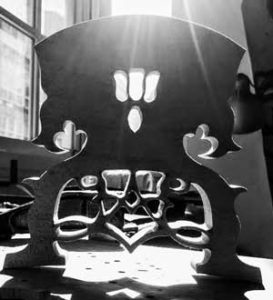
I begin by trimming away the excess wood and hollowing out the “hat” shape, and the connecting bar to the ankles and feet.French baroque cello ponticello This bar essentially stops the pressure of the strings from expanding the bridge feet when on the instrument, and also acts as a (perhaps!) desirable damping mechanism.Baroque violoncello luthier


Every musician has probably at one point in their lives used a wooden mute, which also vary in shape, design, and construction. The metaphor for a mute is an apt one in understanding why some bridges can deliver a “sweeter” sound. This is something you can try at home on your instrument. Take a wooden clothes pin, and clamp it to your violin bridge carefully. Now play. Does it sound terrible? Well yes!  Now adjust the pin so that it is in different places, further out, or inwards, on both the bass and treble sides. The difference is sound is quite dramatic. Keep in mind, this is merely a simple metaphor to understand how weight ratios effect sound. It is absolutely crucial that your luthier understands this when your ordering an instrument, otherwise it is quite possible that the full potential of the instrument is lost. 

Baroque cello bridges unfitted

Three baroque violoncello bridges. On the left, my own personal design.

Note here that the final trimming of the feet, and essentially most of the work is done over a 3-5 day period with the musician present, responding to their demands, suggestions, removing wood, testing, playing, etc. Although this is of course time consuming, I have found it essential in delivering the exact sound which was communicated to me by the performer beforehand. 

In the end, my own design worked the best. This took several days to figure out, but in any case was hardly a waste of time. This is why not only in the beginning the consultation period of discussing tone, corpus and string length, arching, stringing choice, is essential. I make a rather bold requirement for every musician ordering a violoncello from me; a minimum of five days must be reserved for setup!!!!

Endless solutions and avenues of sound can be found during these final days of tinkering. the question is, where do we want to go? The possibilities are endless. Ornate violoncello bridge Hill design

Larger than Life. Violins over 36cm in History

In the early winter of 1992 I attended an auction of Sothebys at the Palazzo Broggi in Milan with the aim of finding  “sleeper” violins; hence those whose true value have been somehow overlooked by the managers and consultants appraising  the instruments. Having  long been a part of the violin hunter culture in Wien, my method of paying my bread, butter and beer by sleuthing out old fiddles was a very viable one during apprenticeship with Anton Sobezack in Poland and Gasparo Karoly in Austria.

In Vienna, combing through the antique markets at 5am with a flashlight ,  I had found occasionally and always by pure chance,  somewhat valuable fiddles, and as I had little time for new making, their sales helped me get through the early years of learning my craft. These were the wild years of dealing instruments!

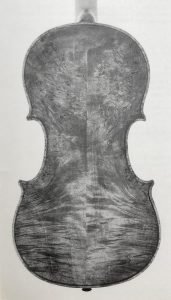
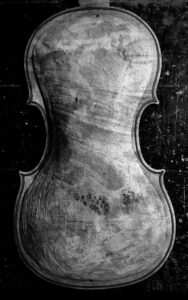
Most makers dabble in dealing old violins on some level or another. Many end up in a kind of trap or endless cycle of bow repairs, and selling antiques to get by. It is just a fact of life. Pursuing the catalog on the train while watching the bleak snowy landscape of Lower Austria in darkness,  I was suddenly struck by this image of a beautiful  maple back in the feeble overhead light of the train. . The violin was cataloged as School of Ventepane, with a ridiculously low starting price of 20,000Iira.  The flames chaotic in the lower bouts,  with curious root markings spattered all around the edges. The curious wood choice of root-marked maple was certainly not incongruent with woods often used by Neapolitan makers.  The root markings to me were just stunning, creating a kind of wild texture and blotted areas of speckled darkness, as if a lonely moon struck by debris, asteroids, eternally scarred!

With eyes closed in the sleeper compartment of the train, I dreamt the very old, but common fantasy of every violin dealer throughout history; to purchase a fine, expensive instrument for little money. 

Wishful thinking! Measured over the arching the corpus was quite large at 36.5cm, with inlaid, not painted purfling. The instrument appears to have been made without a mould, as the corners and center bouts are rather asymmetrical.  


Fortunately now I no longer have to comb the antique markets in Vienna to find substanance. I am purely focused on new making. But the seed of that beautiful Neapolitan fiddle remained buried in my mind, dormant, until finally in 2012, over ten years later when I came across a stunning piece of maple in the stock of the greatest European wood seller, Reinhard Zach. Here were the root markings, and the chaotic moonscape I had seen in 1992!

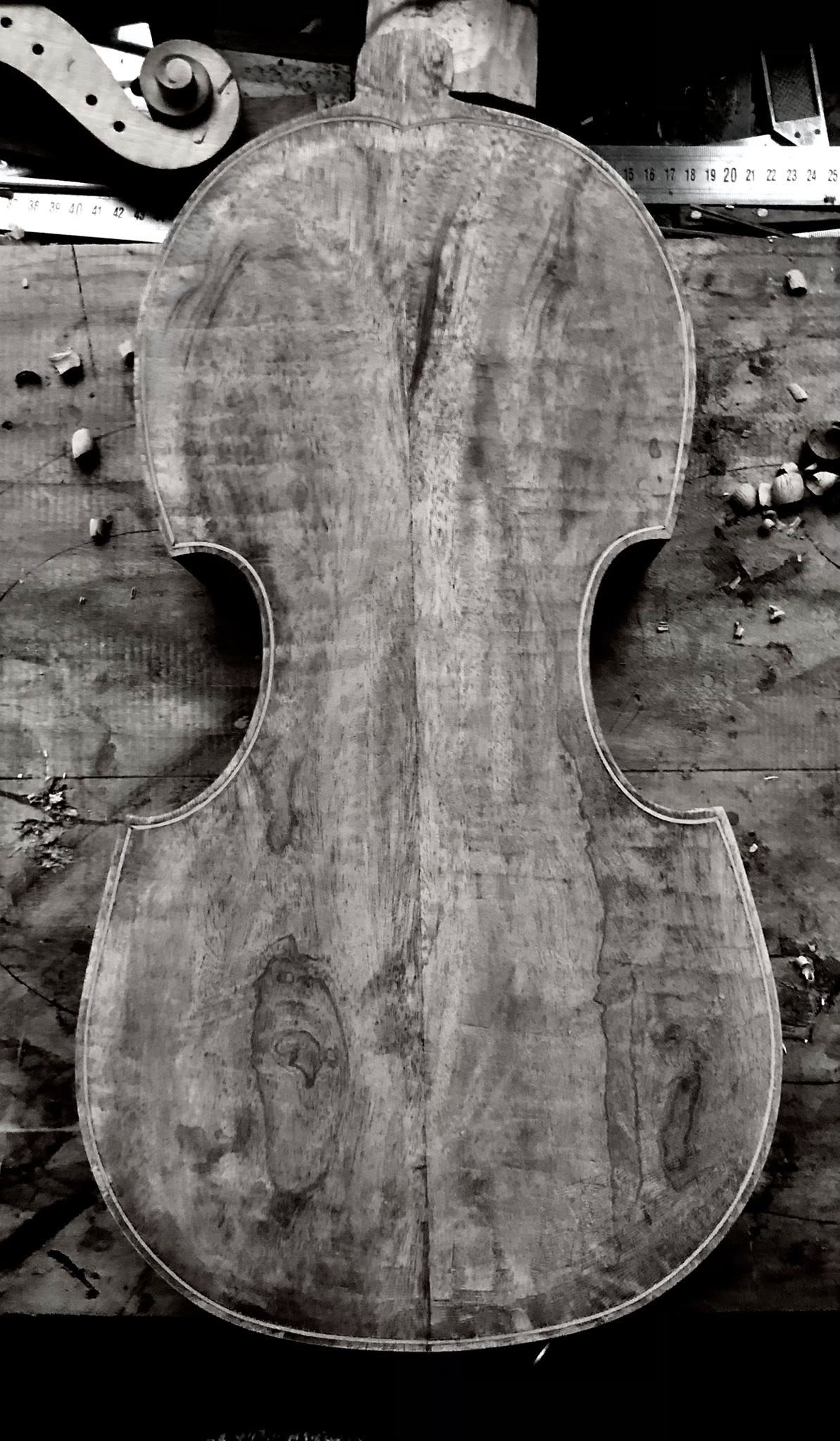
Ventepane violin backIt would be an additional 10  years before I finally got to that particular piece of maple. 
Looking through the old dusty catalog while working on this current violin, I remembered many the train journey so many years ago, and coupled with the nostalgia for the “wild years” of dealing and learning my craft, I finally decided to make the Ventepane.


One rarely encounters a newly made violin with corpus dimensions this large, and if one does, its probably the “Long Pattern Stradivari “
I began to revisit the hundreds of Sothebys and other auction catalogs moulding and gathering dust in the workshop. On this particular day in Milan, out of 32 violins for sale, 12 were over 36cm corpus!

And yet, when you walk into a violin shop right now, in 2023, and ask for a violin larger than 36cm, they will probably scratch their heads, or, perhaps have a single antique or so laying around. New makers tend to shy from making larger violins, due to the stop length issue, which after is is logically grounded in modern violin performance, and tattooed on the inner eyelids of every maker who passes through lutherie school. 19.5 is the Mensur!

Here however, below, a short list of makers whom dabbled with the mighty giant fiddle! You may have heard of some of them!

Late 15th-16thc: Brescia, Gasparo Da Salo, Paolo Maggini

ca.1670-80: Brescia, Rogeri

1690’s: Cremona, Stradivari

1710-20: London, Daniel Parker

1710-20: Goffriller

1700 onwards: Paris: Pierray, Boquay.

1750’s onwards, Livorno, Gragnani

1780’s Cremona, Nicolo and Carlo II Bergonzi

And let us not forget Ventapane! So is there something we are missing, old friend? 

Of Humble Orgins. The Tenor Viola da Gamba of fratelli G.B and Francesco Grancino

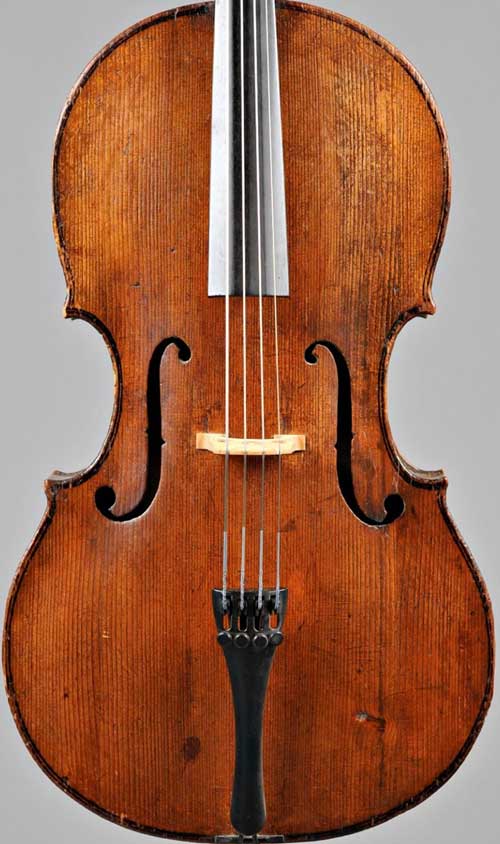
 Purchased at auction by Jose Vazquez for the collection, this Tenor Viola da Gamba converted to a violoncello bore the telltale signs which easily gave away its original origins. Signs of the filled six pegholes are not always as clear as this on antique instruments. In this case we have a smoking gun. After some consultation and correspondence with the new owner, I began to look more closely at high resolution photos sent to me, it became apparent that the plates may have been reduced at the center joint in order to accommodate  the new cello bridge with more narrow feet, while still maintaining bass bar clearance for the bridge foot.

The top bout has as a result a rather pinched appearance, as if it were squeezed together uncomfortably.

G.Battista Grancino tenor gamba scroll head

One notes when looking closely also, a certain sense of urgency in the outline of this scroll head. The throat, desperately shallow, almost as if an afterthought, reflects a very rapid system of rasping out the original outline. Nevertheless, the scroll retains a certain elegance, the original inspiration being of Amatise orgins. In fact, when looking  closely,   this instrument reflects in all of its facets a musician’s need for good working tools without luxurious embellishments.

The technique of painting on the purfling instead of inlaying is actually quite common through all schools of Continental Lutherie, as well as in the British Isles, and thus paints a very clear and certain picture of the modest means in which it must have come to life.

The discernment  of a Grancino family attribution, while at first troublesome, becomes clear with the painted purfling. This could only have been done by the The Brothers’ Grancino, Francesco and Giovanni, who were the sons of Andrea. Francesco worked from c.1660-1670s. A few instruments bear his original label.  Giovanni Battista and his brother produced quickly executed instruments often with a sense of urgency.  The plain materials, also speak of the general Milanese tradition of using trade woods.

Although the instrument would seem incongruent with  Renaissance ideas about Neoplatonic beauty and qualities of human temperament one must remember both the later date of its construction, as well as the limited patronage of the makers. I have decided to widen the center only slightly (2cm), thus allowing space for the wider bridge feet.

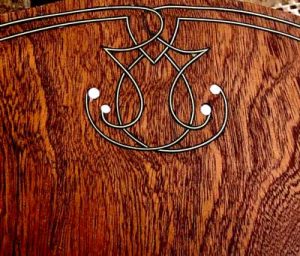
Copying such plain materials would seem a bit pedantic. In contrast, I have decided to embellish the instrument with profuse ornamentation on the corpus, neck and pegbox. As if a fantasy exploration of a reality where the Brothers Grancino had the patronage and financial freedom which they undoubtedly deserved.

Viols with violin shaped outlines in the Italianate tradition offer a unique opportunity for expression of feeling and sound.  In contrast to the English tradition of bent top instruments, both plates will be arched, adding to the possibility of total control of sound. The rather heavy Blackwood scroll will provide a counterbalance in weight ratios, as well as optically matching the palates of maroon hues of the corpus.

Grancino tenor gamba cedar topTenor viola da gamba

*Jose Vazquez tragically passed away during the construction of this instrument.  He has been a kind friend for over more than a decade, providing countless details of any instruments in the collection at a moments notice. It should be noted that in addition to his stellar talent as a Gambist and conservator  of beautiful instruments, he was incredibly funny, and unboundedly generous. During my early years as a rather vagabond violin dealer in Vienna, he was a friend among many foes.  This instrument will bear a dedication to him internally in ink in honor of his memory.

More chapters on the construction of this instrument soon to come. Stay tuned.

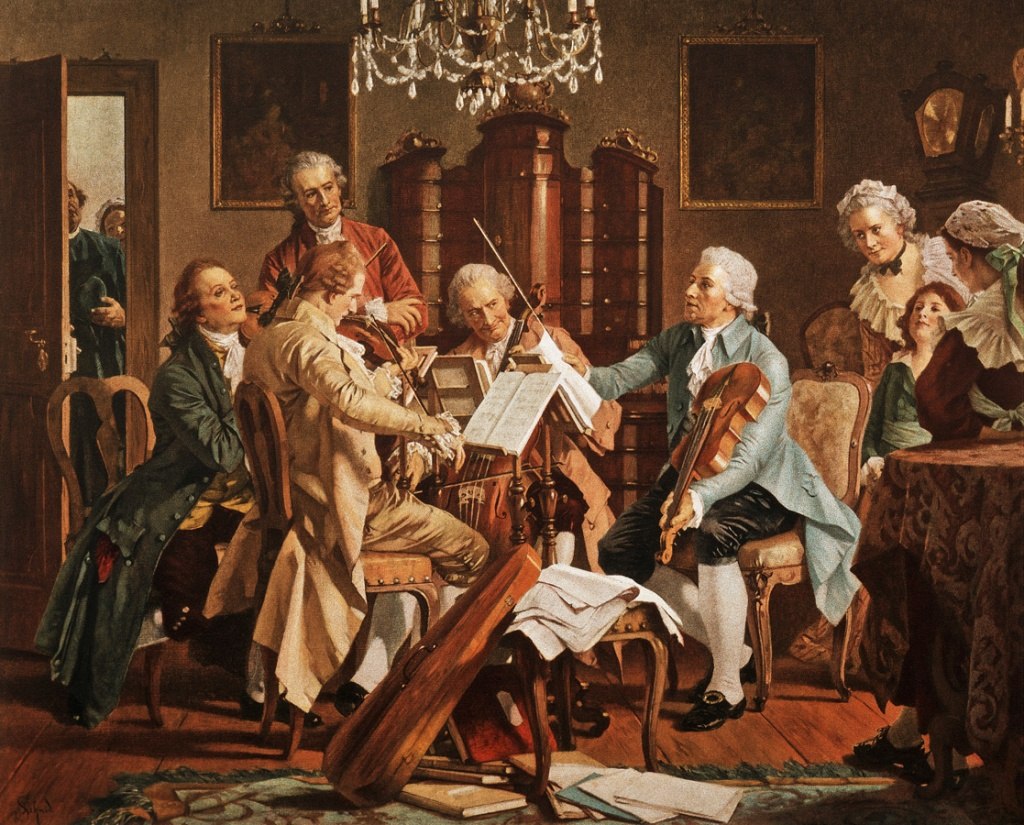
Joseph Haydn and the Tenor Viola? Eine Phantasien Flucht.


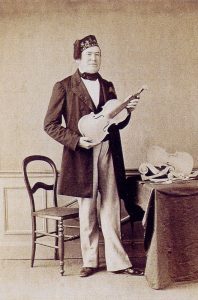
Haydn conducting with tenor viola

This painting in the collection of the StaatsMuseum in Vienna depicting Joseph Haydn conducting a string quartet would seem to present a unique conundrum within the history of the viola.  The rib depth, corpus length, and vibrating string length are synonymous with a completely unique current of instrument making in Southern Germany and the Northern Alpine region.

If you look closer, however, there is almost a dream-like cast of emotion, as if plucking out the image from a Phantasie or dream. The expressions all are unique, and in a kind of unison of conflicting emotions, seem each to tell some knowable story in time. This aspect is uncharacteristic, or if so, extremely rare in 18th Century paintings. In fact, things all seem executed in a suspiciously Biedermayer style of painting. If you have been fooled by the image in the past, rest assured, you are  not alone. The image is currently cataloged as before 1790 with Wikipedia.  It has been used countlessly as a reference image, as album artwork, and on several websites which seem to accept the painting as contempary to Haydn. If the image were an actual, faithful depiction of a chamber rehearsal in Schloss Esterhazy, it would present a rather bizarre contradiction with the use of  tenor viola in a quartet setting. Sadly, for our illustrative purpose  the painting was done in the 19th, or even early 20th Century, and has managed to float through time, evading reason, caputuring the imagination, for better or worse.

This image is currently cataloged as Kriegsverlust. STOLEN During the Second World War.

Let us for a moment assume that the image depicted an actual instrument. I ask this flight of fantasy for the implications it might have, again, purely for speculative purposes. The specific coincidence of the instrument depicted having rib depths similar to those rare surviving tenors  is something rather remarkable, if perhaps implausible.

Tenors of this size were quite common within Italian, Flemish, German,  and other schools of lutherie;  Antonio Stradivari, Andrea Guarneri, Gaspar da Salo all produced large tenor violas with comparable corpus lengths of 45cm and larger. What is different here is the uncommon rib depth, and rather logngish neck, which would have resulted in a a longer vibrating string length and substantially large amount of air volume. The timbre of these unique instruments are quite different from your standard, 43cm large viola and should, from an organological perspective, almost be separated entirely. 
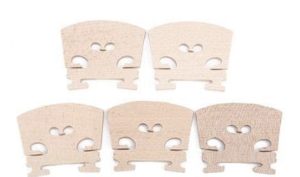
These instruments were likely played as depicted above; the weight of the viola is cradled along the arm, and may or may not have been supported under the chin. Johann Michael Alban (1677-1730) the second born son of Matthias Alban, produced a very similar instrument to the viola depicted above. Made in 1707, the rib depth of 56mm appears to be nearly identical to Haydn’s instrument.  Miraculously, it has survived mostly intact, with even original varnish.

Johann Michael Alban tenor viola

The 1707 Aban Tenor viola.

Would it make any sense then in our imaginary dream that Haydn had chosen a tenor viola within the context of a quartet setting?  It is complelty incongruous to our contemporary concept of middle voices; a kind of White Whale, far removed from our normal interpretations of the middle, alto register. While I would hardly wish to put forth the argument that large tenors should be employed in a quartet setting, one also must consider that the contemporary genre of the string quartet was essentially established by Haydn in the 1750s, and this is something of a miracle, considering that until 1779, his life was comparable to that of an indentured servant, in the service of Prinz Nikolaus Esterhazy.

The Tenor Viola as congruent parter to Baryton and Violoncello in the Divertimenti.

Haydn had as contemporary the musicologist and theorist Johann Mattheson and must have been familiar with his treatise  of 1713, Das Neueröffnette Orchestra, in which he unequivocally urged the separation of alto and tenor violas into two parts, Viola Prima and Viola Secunda . One may note his use of bold face typography on the German word Notwendig (using the archaic spelling) but also that he stresses it is the most important element (Nothwendigsten) in a harmonious concert. Johann Mattheson treatise of 1713, Das Neueröffnette Orchestra

It would thus seem perfectly natural that a tenor was needed when composing the trio sonatas and Divertimenti, which employed viola and the relative bass/tenor range, and that Haydn may have been keenly aware that the alto size viola, which commonly had a corpus of as small as 38cm, would not be tonally congruent with longer string length instruments. Furthermore, the uniquely different tenors being produced in Germany and Austria with vastly deeper rib structures than the common tenor would have delivered sufficient depth of tone to match the timbre of the other two parts. So in essence, this would make much more sense to employ a tenor viola instead of a tiny, 39cm corpus alto instrument.

The period after 1779 marked the renegotiation of Hadyn’s contract within the Schloss Esterhazy, permitting him freedom to write music for other commissions, as well as the liberty to solicit both foreign publication and sale of his works. Previously, all work was the property of Esterhaza.  This marked the true beginning of his international popularity, and the true spirit of the man begins to emerge with the composition of a myriad of new string quartets, comprising six sets of Op.33, 50. 54/55, and 64.

So if our fantasy were true,  the instrument very well could have been one within the vast  collection of Prince Nikolaus the first. To give you an idea of the abundance of wealth, the palace employed over 150 men as Leibgarde, (security of the grounds) as well as the ability to house over 110 horses. Not only did the palace have its own opera house, But possessed a complete marionette theater for the entertainment of Nikolaus.  And, of course, countless musicians and composers other than Haydn himself. And this was only the summer palace!

Prince Niklolous had very specific requests for his servant composer, Joseph Haydn. It was said that his demands were so grueling, that little time for anything else but composition was available. Haydn was once quoted as saying that he was forced to compose such great volumes of work, that he practically even wrote in his sleep.

 Among these works are the 126 Baryton trios. Rarely in the history of music has such a rich output of works been based entirely upon what was at the time, a rather esoteric, uncommon instrument, mostly relegated to southern Germany.Haydn/Esterhazy baryton Thankfully, the instrument survives in a remarkable undamaged state, including its charming original case of red leather, in the Hugarian National Museum.
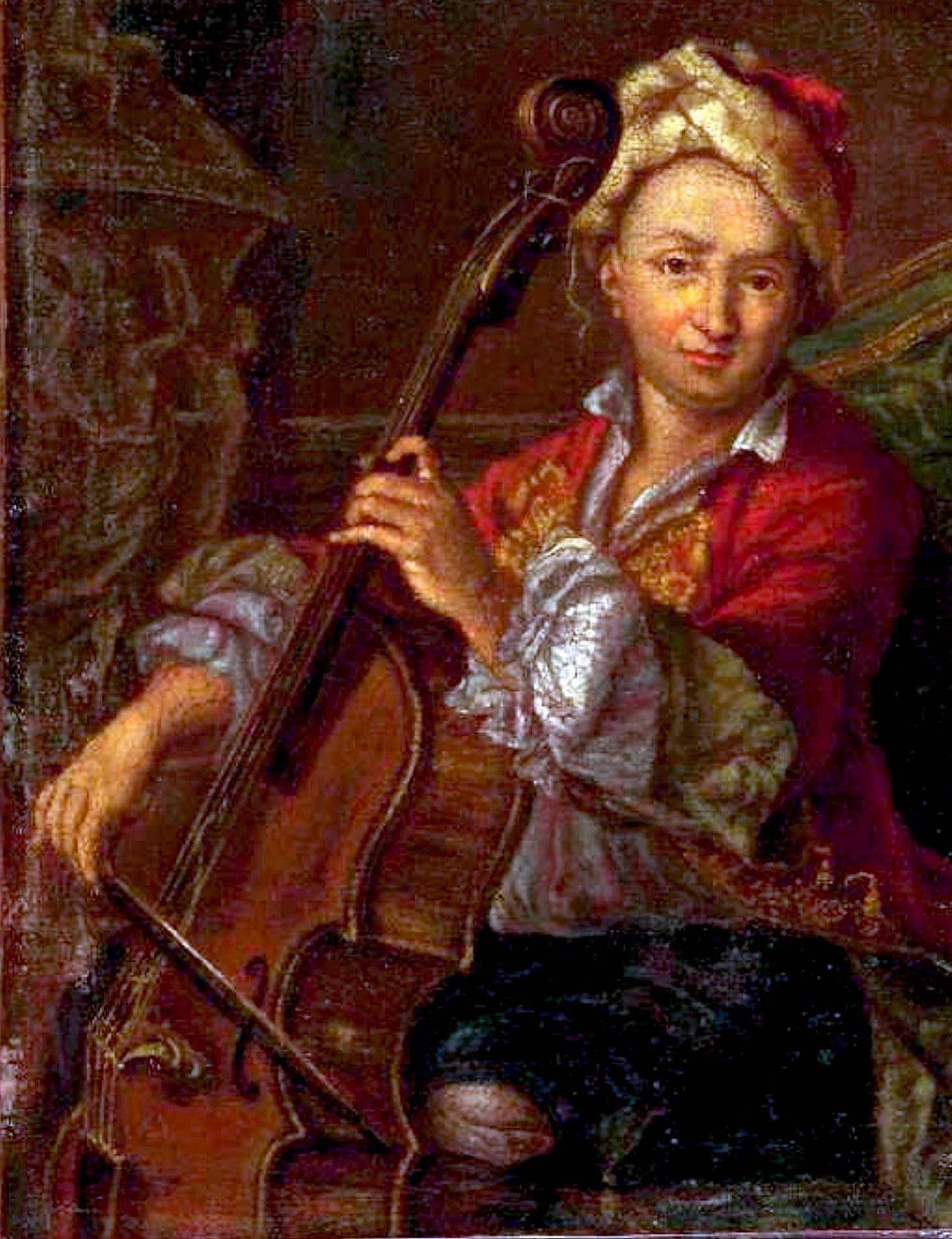
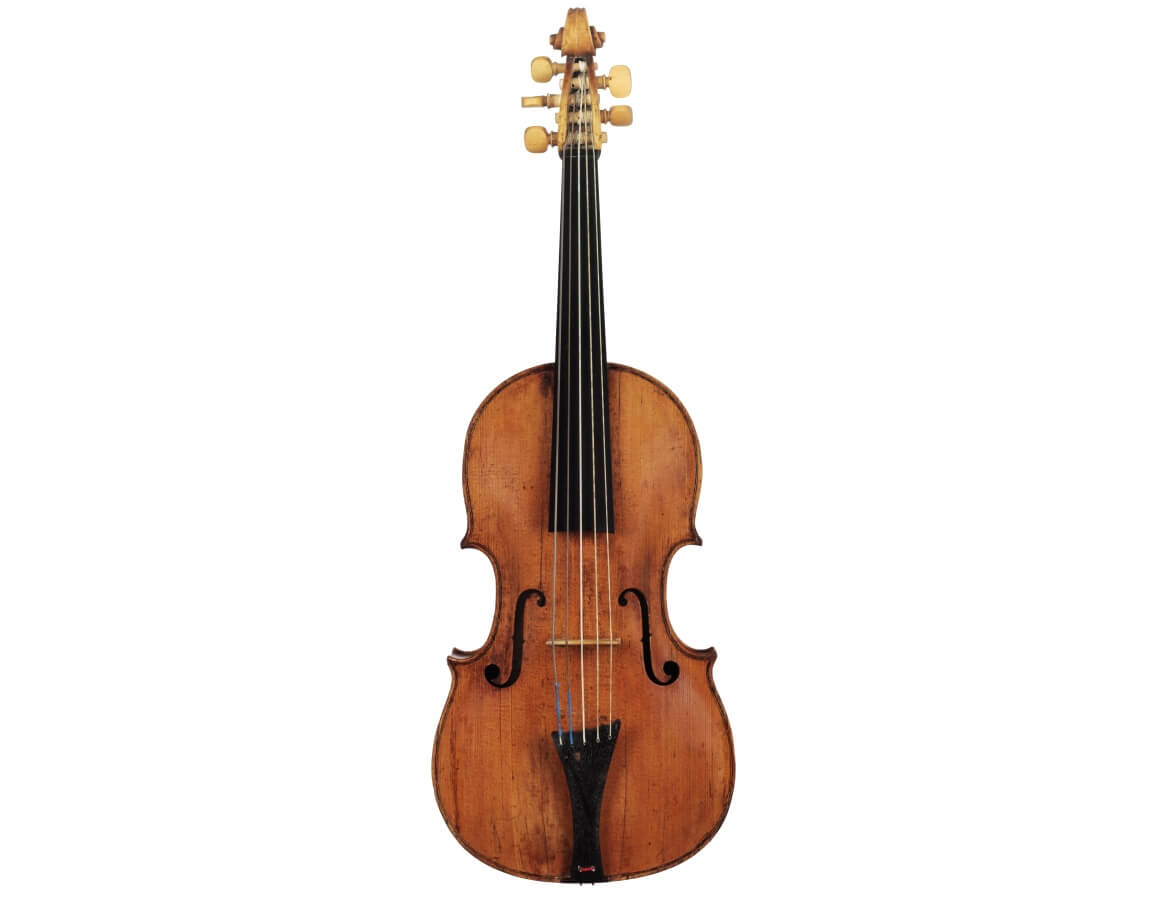
The sheer hunger and thirst for compositions for Baryton could further be illustrated by considering that not only was Haydn “writing in his sleep” – other composers under employ of Nikolaus also were urged to devote much of their time to this esoteric instrument.

The Italian violinst Luigi Tomasini, also worked within the circle of creative souls meant to provide for Prince Nikolaus, and in addition to perfuming duties as first violinist and concertmaster, composed at least 24 Divertimenti for Baryton. It becomes thus rather clear that Baryton  was thus obviously the favorite instrument of Nikolaus, though later his whims tended to shift toward a fascination with opera.

I can say from personal experience, having made a copy of the Alban tenor above, (albeit with shorter neck to allow more virtuosic playing) that these deep rib instruments possess a timbre of sound radically different from the common large viola at 43cm, with shallow ribs. They are almost different creatures entirely, bringing into question the very close but tenuous relationship with piccolo Celli.

Floating back to reality, it is simply a rather unfortunate state of affairs that within most baroque ensembles today, the tenor voice is either completely lacking, or a generic size of 43cm corpus serves to suffice as the deeper tenor voice, regardless of part separation. In short, the viola is simply homogenized into a one dimensional voice. With the exception of a few ensembles who do employ true tenors, this essential voice of our cultural heritage, this crucial difference in sound is absent from our own collective consciousness.

We would be greatly rewarded by not forgetting what the folds of history have blanketed over, as if muting an essential voice of music so common in our cultural history. What do we have to gain by using tenor violas? A richer concert experience, in which the middle voices stand prominent, as they should. What do we have to lose by generically employing contralto violas in stead of giant tenors and separated altos? Our history, our memory, our culture, essentially erased.

Five String Violoncello Piccolo – Confusion and Reality in 17th and 18th Century Performance.

Most often when I engage in dialogue using the term Violoncello Piccolo and those with either small corpus, or any five string violoncello, the musician will often say… Oh you mean the instrument created by Bach to play the 6th Suite!

The reality regarding violoncelli with a petite corpus and their relationship and context within performance is just a bit more complicated. Bass Instruments with five strings can be found in both iconography and texts, and would served an important and complex role within musical performances of the time.

The first use of the term Violoncello comes not surprisingly from Italy, ca. 1660’s in Giulio Cesare Arresti’s Sonate A 2.& a Tre Con la parte di Violoncello a beneplacito. One may note that this coincides with the Bolognese invention of wound strings. His predecessors in Italy before the mid 17th Century used a wide variety of terms for bass instruments: violoncino, bassetto viola, basso di braccio, violone……

Before the invention of silver or other metal wire wound over gut string, bass instruments would have most often been quite large in corpus and string length, due to the large amount of tension needed with pure-gut strings. A Corpus of around 77- 80cm was common, however not always the case. Smaller corpus instruments certainly existed if we are to go from iconographical images.

In this image from 1609 we see pure gut strings on a 5-string bass instrument which is remarkably close in outline to violoncelli of that late baroque and ones we are used to today. Note the unique playing position. Female musicians certainly could not be expected to play with the instrument between spread legs(!)

Wound strings allowed luthiers to experiment with smaller corpus instruments, and the new clarity of voice of these strings allowed musicians to use the violoncello with more virtuosity, no longer relegated to the first position by the need to support the weight of the instrument with the left hand. After Bologna, the news would have spread rapidly of these strings. First within Italy, then in France, Germany, England, etc. A kind of wild west period of experimentation  then ensued, with corpus lengths and string lengths seemingly haphazard.baroque cello 5 string  

It is true that  J.S Bach and J.C. Hoffman were close friends , however the surviving instruments present something of an anomaly in relation to the performance of repertoire composed by Bach.  Later in the 19th Century, it is understandable how a semantic confusion could have developed, as this actual instrument has a corpus size of only 45cm.  Indeed, it is not much larger in body than a tenor viola, thus the erroneous later moniker of “Viola Pomposa”


5 string violoncello piccolo

The Hoffman violoncello piccolo made in 1732.

On first glance, the instrument simply appears to be a typical five string violoncello. When you examine the actual dimensions of the instrument however, it becomes clear how the instrument could have developed the name Viola Pomposa, Here you can see that the actual length of the neck of the Hoffmann instrument is not much longer than a modern viola neck 19th Century expansion of the string length at the neck, along with regraduation of the plates has unfortunately transformed the 1732 instrument into a curiosity which offers no tangible evidence towards further clarification of its original use and tuning. 

Only after Bach’s death did the misnomer Viola Pomposa occur in printed sources, and several 19th Century authors mistakenly refer to Bach as the inventor of the violoncello piccolo. When one begins to study paintings of baroque and late Renaissance instruments, it becomes fairly clear that piccolo violoncelli of 5 strings were a more than common occurrence in the musical life.viola pomposa neck

It is important to realize that Bach’s instrument in the Suites was a true bass/tenor instrument, and surprisingly, the original instrument made by Hoffmann has a very rich bass range, albeit with a touch of the “bassoon-like” quality which is inevitable with such a small corpus length. While there seems to be a peculiar inclination towards middle-range instruments in Germany and Saxony in particular, the Hoffmann anomaly shares more traits with the common tenor viola.  When we consider the wide variety of names for bass, (and bass/tenor) instruments in Germany, the situation becomes very confusing….Bass Geig(e), Faggotgeige, Bas-Geige de braccio, Violonzell, Bassetl…among others.

When we understand that 5-string violoncelli were more common than one would think, and that the choices for controlling tone with arching, wood selection, air volume of the corpus, and vibrating string length, an entire new world opens up for the baroque luthier. in my mind, Stradivari’s general standardization of the cello corpus at around 75cm was no great boon for cello performance, or lutherie in general. These voices, once important parts of musical culture, have essentially been lost to us today.

Lost voices. Combinations of arching height, tension, vibrating string length to corpus, wood with or without damping qualities… interior varnish treatments… strings with wound silver, or all gut…..bridge height and tuning of bridges in relation to all the above. The possibilities are endless, and endlessly exciting. What voice do we want to achieve? How do we get there. I am fascinated. And the fact remains, we have just begun.